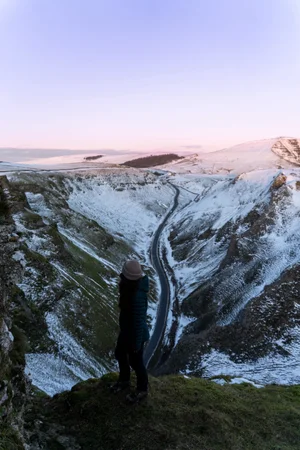
The Ultimate 4-Day Ireland Road Trip Itinerary: Wild Atlantic Way & Causeway Coastal Route
Discover dramatic sea cliffs, hidden beaches, mountain passes, castles and one of the world's most spectacular coastal drives on this unforgettable four-day road trip through the island of Ireland
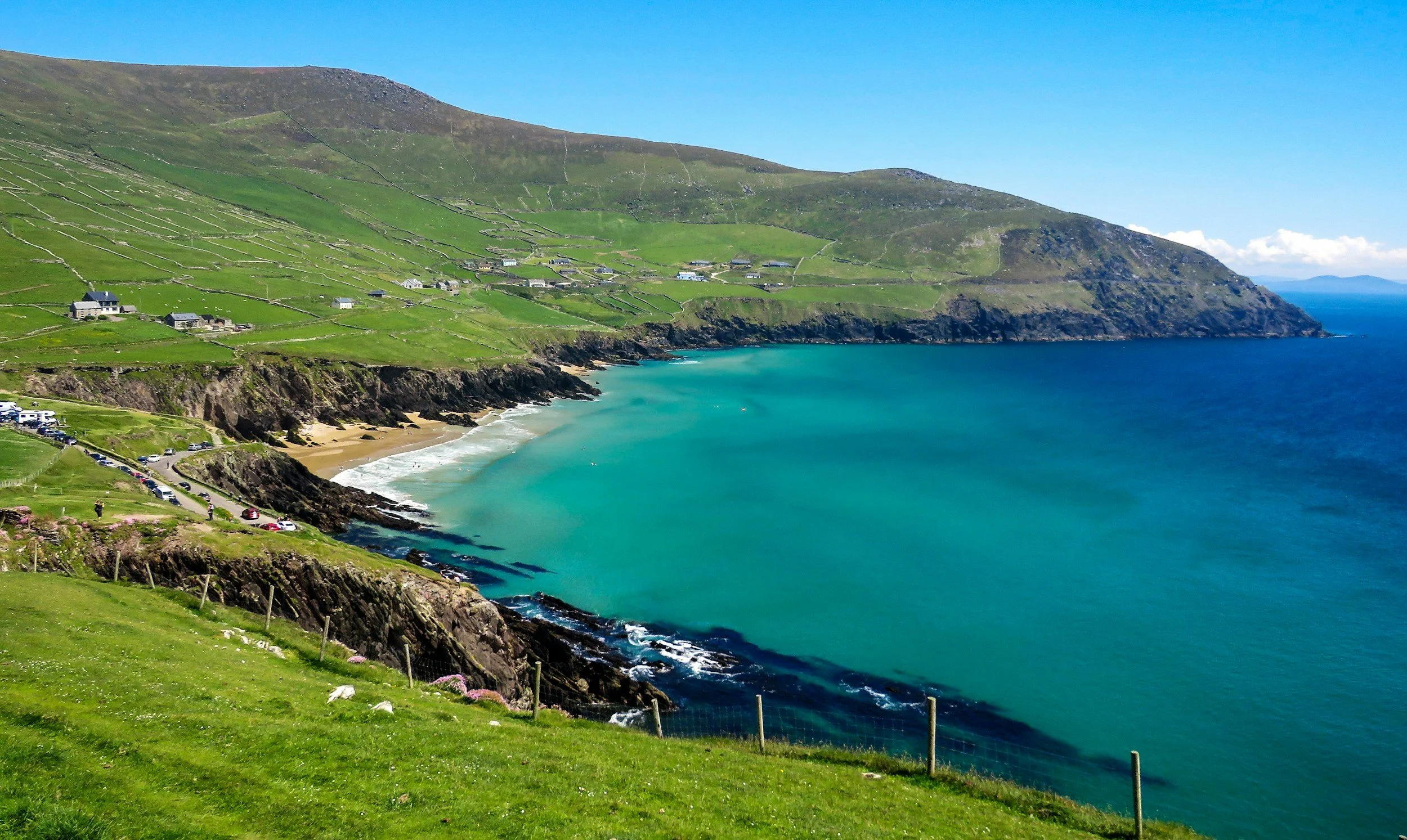
If you're planning a road trip around the island of Ireland, chances are you've already come across two iconic routes: the Wild Atlantic Way and the Causeway Coastal Route.
The problem? Most itineraries make you choose between them.
After spending four days exploring Ireland's rugged northwest coastline, I realised you don't have to.
This itinerary combines some of the best parts of both routes into one incredible long weekend, taking you from the windswept beaches of County Sligo to the towering sea cliffs of Donegal before crossing into Northern Ireland to finish amongst castles, waterfalls and one of the world's most famous natural wonders.
Over four days you'll discover hidden beaches, scenic mountain roads, ancient castles, peaceful forest walks, working sheepdogs, glamping under the stars and some of the most breathtaking coastal scenery I've ever experienced.
I've been lucky enough to visit some incredible places over the years, but this road trip genuinely left me wondering whether I should pack everything up and move to Ireland. Not just because of the stunning scenery, but you won’t find a better warm welcome than from the Irish.
If you're looking for an itinerary packed with scenery, outdoor adventures and memorable places to stay, this is one I'd recommend in a heartbeat.
Ireland road trip at a glance
| Duration | 4 days |
| Distance | Approximately 500 km (310 miles) |
| Total driving time | Around 9–10 hours (excluding stops) |
| Start | County Sligo |
| Finish | Belfast (via the Causeway Coastal Route) |
| Best time to visit | April–October |
| Perfect for | Scenic road trips, hiking, beaches and photography |
| Car required? | Yes |
| Accommodation | Glamping, boutique hotels and coastal stays |
💡 Good to know: This route crosses from the Republic of Ireland into Northern Ireland. There are no border checkpoints, but you'll switch from kilometres to miles and from euros (€) to pounds (£). It's also worth checking your mobile network's roaming policy and confirming your hire car is insured for cross-border travel before setting off.
Route overview
This itinerary begins in County Sligo, one of Ireland's most underrated counties, before continuing north through County Leitrim and into County Donegal, home to some of Europe's highest sea cliffs and countless white-sand beaches.
On your final day, you'll cross into Northern Ireland, where you'll drive one of the world's greatest coastal roads: the Causeway Coastal Route. Along the way you'll visit medieval castles, waterfalls, cliff-top viewpoints and the iconic Giant's Causeway before finishing close to Belfast.
Although you could drive this route in a day, I'd strongly recommend taking your time. The beauty of this road trip isn't simply getting from A to B—it's pulling over whenever a viewpoint catches your eye, stopping for coffee in colourful coastal villages and allowing yourself plenty of time to explore.
Is four days enough?
Yes—but only if you're happy to keep moving.
Four days gives you enough time to experience the highlights of the northwest coast without feeling like you're constantly rushing between destinations. Each day involves a few hours of driving, but the distances are broken up by scenic stops, short walks and plenty of opportunities to stretch your legs.
If you have an extra day or two, I'd recommend slowing the pace down and spending longer in Donegal or adding additional stops along the Causeway Coast. I'll include some suggestions at the end of this guide if you're lucky enough to have more than a long weekend to spend here.
Getting there
One of the reasons I loved this itinerary is that it doesn't require doubling back on yourself.
I flew into Ireland West Airport Knock, hired a car from the airport, and then flew home from Belfast International Airport after finishing the Causeway Coastal Route. For me, this was by far the most convenient way to experience the route, allowing me to keep moving north without having to retrace my steps.
Knock Airport is around an hour's drive from Sligo, making it the perfect starting point for this itinerary, while Belfast International Airport is within easy reach of the final stops on the Causeway Coast.
If those airports or flight times don't work for you, there are a few other options:
✈️ Ireland West Airport Knock (my recommended starting point) – around a 1-hour drive to Sligo.
✈️ Belfast International Airport – ideal if you'd prefer to drive the itinerary in reverse, starting on the Causeway Coastal Route and finishing in Sligo.
✈️ Dublin Airport – around a 2 hour 45 minute drive to Sligo, with the widest choice of international flights.
✈️ Shannon Airport – a good option if you're planning to extend your trip further south along the Wild Atlantic Way before joining this itinerary.
Whichever airport you choose, I'd highly recommend hiring a car. Many of the beaches, viewpoints and walking trails featured in this guide are in remote locations and aren't easily accessible by public transport. Plus, the drive itself is a huge part of the experience, with plenty of scenic detours and unexpected viewpoints you'll want to stop for along the way.
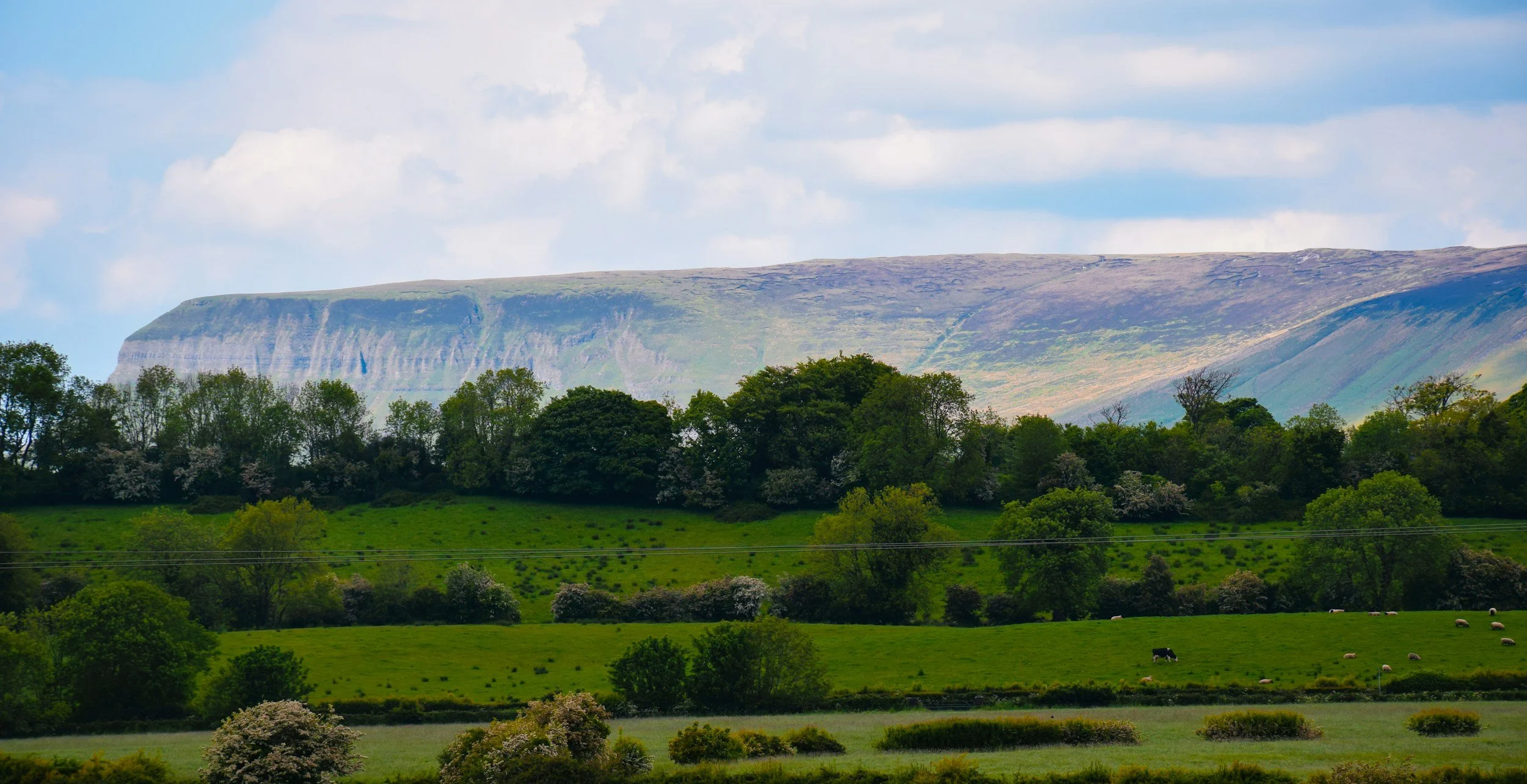
When is the best time to do this road trip?
While this itinerary can be enjoyed year-round, late spring through early autumn offers the best combination of daylight hours and accessibility.
Spring (April–May)
Spring is one of my favourite times to visit. The landscapes are incredibly green, waterfalls are often at their most powerful, and you'll generally encounter fewer crowds than during the height of summer.
Summer (June–August)
Long daylight hours make summer perfect for road trips, giving you plenty of time to explore without feeling rushed. Popular attractions such as the Giant's Causeway can become busy, so I'd recommend visiting earlier or later in the day where possible.
Autumn (September–October)
If I were planning this trip again, early autumn would be high on my list. The roads are quieter, accommodation is often a little cheaper and the golden evening light makes Ireland's coastline even more photogenic.
Winter (November–March)
Many locations remain open throughout winter, but expect shorter days, stronger winds and rapidly changing weather. If you're travelling during this period, build some flexibility into your itinerary in case conditions affect coastal walks or boat trips.
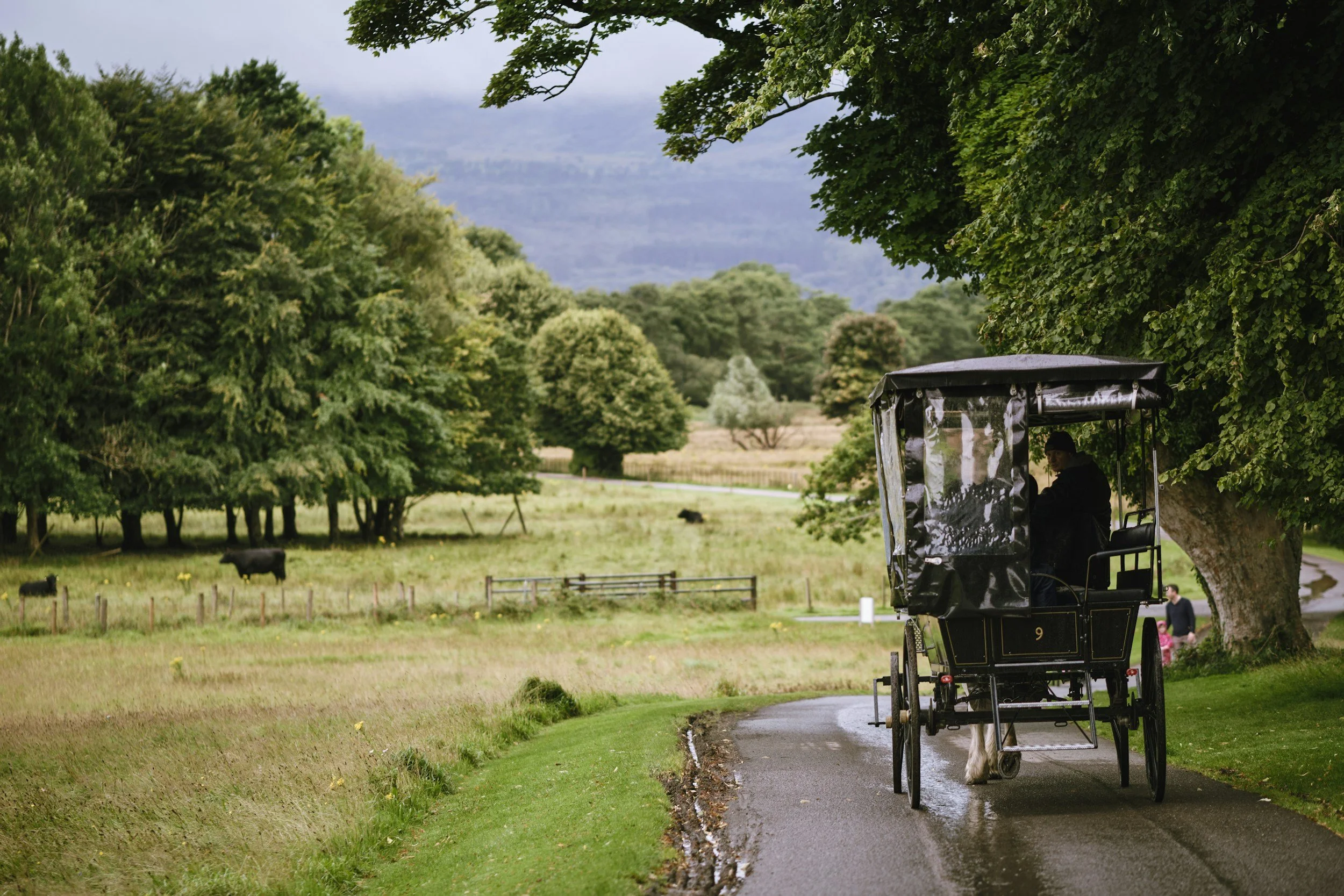
Driving in Ireland: Everything you need to know
If it's your first time driving in Ireland, don't worry: it really is one of the best ways to explore the country. And if you’re used to driving on UK roads, then you’re already all set.
The roads on this itinerary are generally in good condition, although you'll encounter some narrow rural lanes, particularly around scenic viewpoints and quieter coastal areas. Take your time, be prepared to pull into passing places when needed, and factor in extra time for slowing down and stopping off at some beautifully scenic rest stops.
A few things to know before you go:
Driving is on the left-hand side of the road.
Speed limits are displayed in kilometres per hour in the Republic of Ireland and miles per hour in Northern Ireland.
Fuel stations become less frequent in remote areas, so it's worth topping up when you have the chance.
Download offline maps before you leave, as mobile signal can occasionally disappear in more rural locations.
Leave extra time in your schedule. You'll almost certainly find viewpoints and beaches you weren't planning to stop at.
Crossing into Northern Ireland
Crossing from the Republic of Ireland into Northern Ireland is incredibly straightforward. There are no routine border checks, so in many places you may not even realise you've crossed until you notice road signs changing from kilometres to miles.
The main differences you'll notice are:
Currency: Euros (€) in the Republic of Ireland and pounds sterling (£) in Northern Ireland.
Speed limits: Kilometres per hour become miles per hour.
Mobile networks: Check whether your provider includes UK and EU roaming before you travel.
Car hire: If you're renting a car, confirm that cross-border travel is included in your agreement. I collected the car from Ireland West (Knock) Airport via Hertz and returned at Belfast International with a £25 cross border fee.
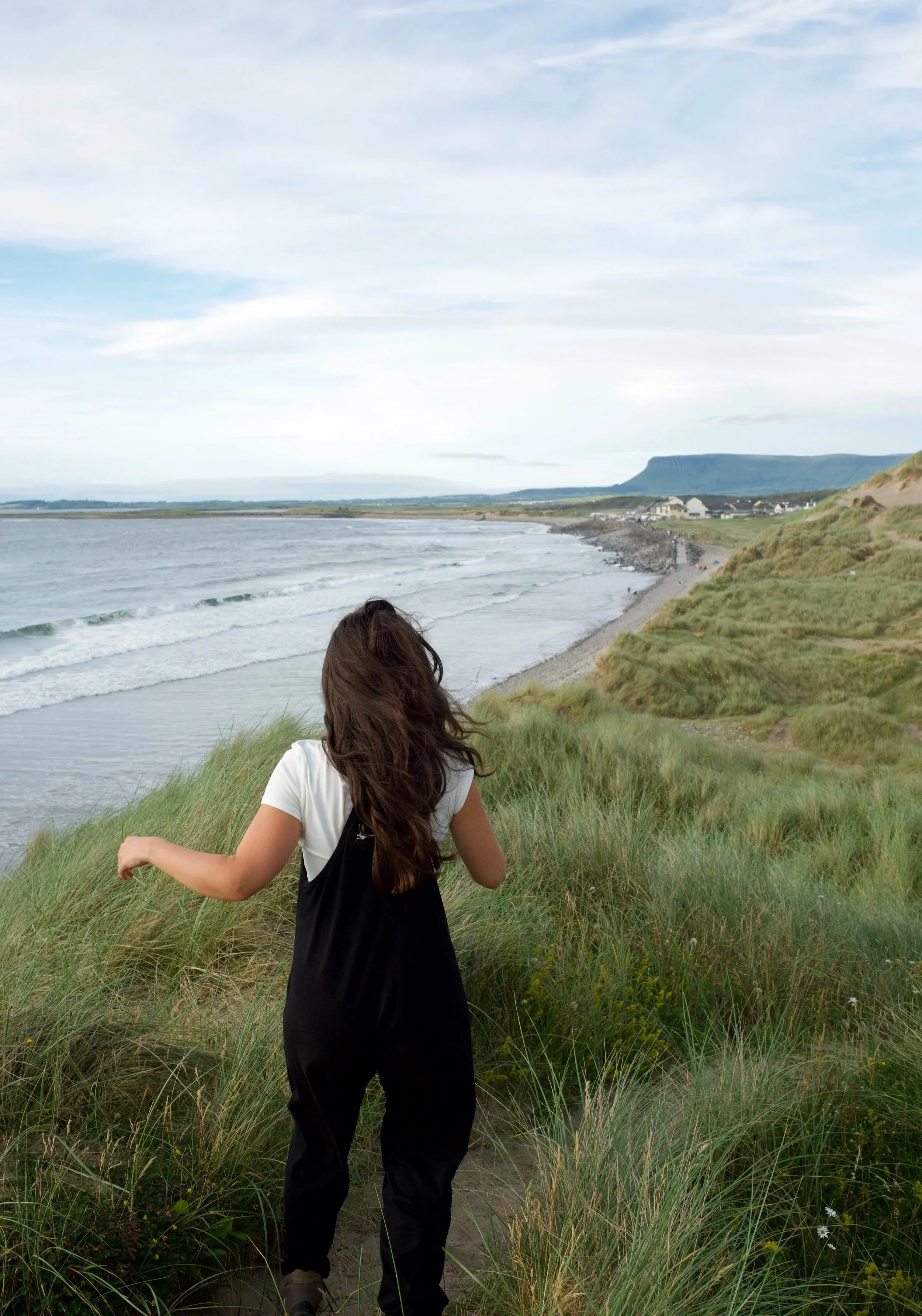
What to pack
Ireland's weather has a habit of changing its mind several times a day, so layers are your best friend. I'd recommend packing:
Waterproof jacket
Comfortable walking shoes or hiking boots
Warm mid-layer or fleece
Lightweight clothing for warmer afternoons
Swimwear for a Wild Atlantic sea dip
Power bank
Reusable water bottle
Camera or phone with plenty of storage
Sunglasses and sunscreen
A small backpack for day hikes
Top tips before you set off
Start early each morning. Not only will you'll beat the crowds, but you'll also enjoy some of the most beautiful light for photography.
Don't over-plan every minute. Some of my favourite moments came from pulling over at viewpoints I'd never heard of.
Book accommodation in advance if you're travelling during summer, particularly in Donegal and along the Causeway Coast.
Allow extra time for the unexpected. Beaches, cafés and scenic detours and the friendliest locals you’ll meet have a habit of turning a quick stop into an hour or two.
Embrace the weather. Misty mountains, moody skies and crashing waves are all part of Ireland's charm—and often make for the most memorable photos.
Day One: Coastal Castles, Atlantic Beaches & Hidden Valleys in County Sligo
Driving time: Approximately 1 hour 45 minutes (excluding stops)
Today is all about easing yourself into the road trip.
Rather than spending hours behind the wheel, you'll explore one of Ireland's most underrated counties, hopping between windswept beaches, dramatic coastal viewpoints, mountain scenery and historic castles before ending the day glamping beneath the stars.
Although the driving distance is relatively short, don't underestimate how much there is to see. Between beach walks, photo stops and scenic detours, this is a day that's best enjoyed at a relaxed pace.
Day One Overview
| Stop | Time to allow | Highlights |
|---|---|---|
| Rosses Point | 30–45 mins | Views across Sligo Bay |
| Strandhill Beach | 45–60 mins | Surfers & beach cafés |
| Sauna at Dunmoran Strand | 1–1.5 hours | Sea views & cold plunge |
| Streedagh Beach | 45 mins | Spanish Armada history |
| Classiebawn Castle | 10–15 mins | Castle beneath Benbulben |
| Mullaghmore Head | 20–30 mins | Atlantic coastal views |
| Atlantic Sheepdogs | 1 hour | Live sheepdog demonstration |
| Gleniff Horseshoe | 45–60 mins | Scenic mountain drive |
| Teapot Lane Glamping | Overnight | Luxury glamping domes |
Stop 1: Rosses Point
Drive from Knock Airport: Approximately 1 hour
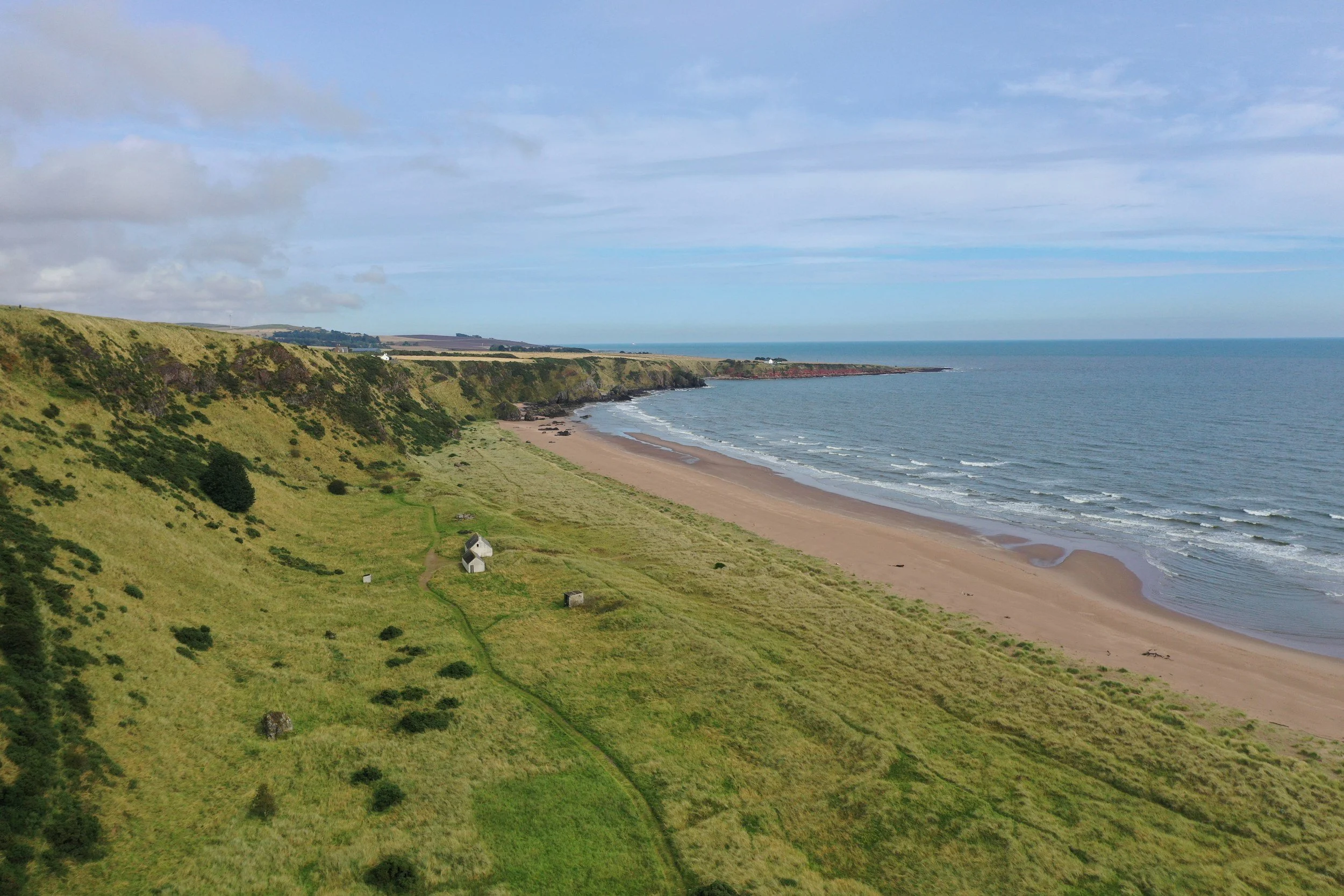
Kick off your Ireland road trip at Rosses Point, a charming seaside village overlooking Sligo Bay. It's the perfect introduction to the Wild Atlantic Way, with sweeping coastal views, a long stretch of golden sand and Benbulben rising dramatically in the distance.
Despite being just a short drive from Sligo town, Rosses Point feels incredibly peaceful. It's the kind of place where you can slow down after your flight, breathe in the fresh Atlantic air and ease yourself into the adventure ahead.
If you've arrived on an early flight, this is also a great spot to grab a coffee and enjoy a stroll along the promenade before setting off for the rest of the day's exploring.
Allow: 30–45 minutes
Tip: Walk out towards the beach for one of the best views of Benbulben and the surrounding coastline.
Stop 2: Strandhill Beach
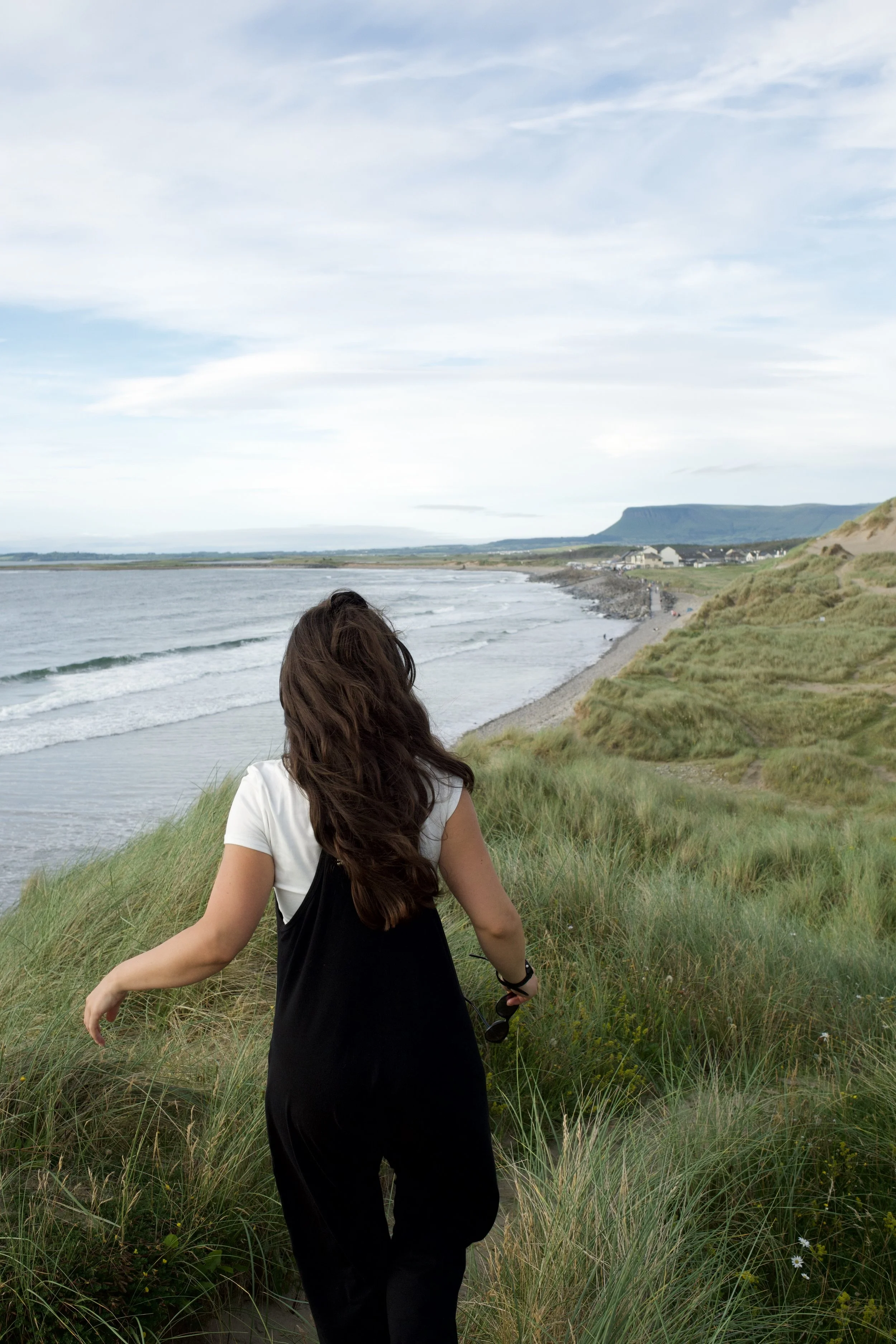
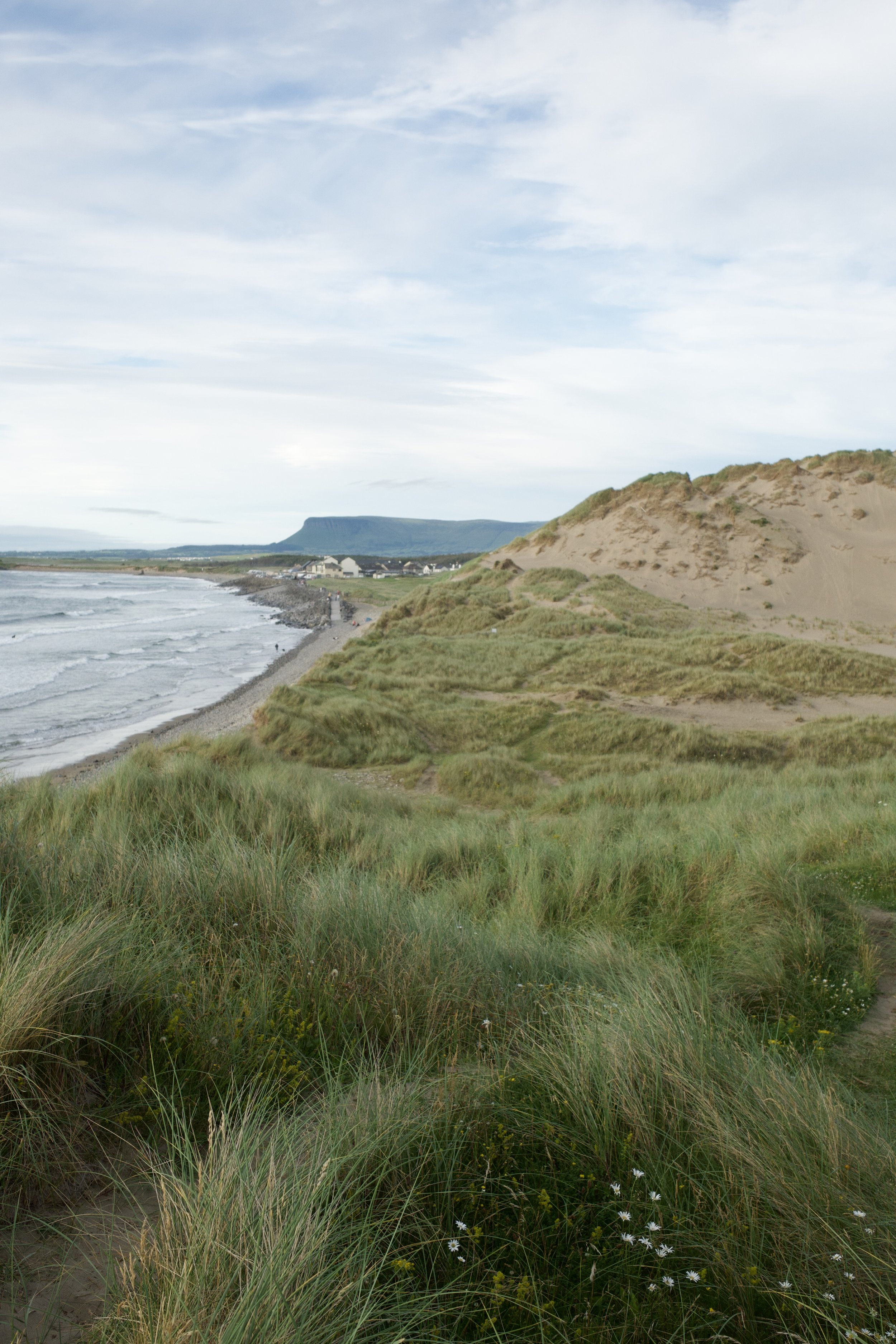
Drive from Rosses Point: Approximately 15 minutes
A visit to Strandhill Beach is a must on any trip to County Sligo. Framed by rolling sand dunes and backed by the unmistakable silhouette of Knocknarea Mountain, it's one of the county's most popular coastal spots (and it's easy to see why!).
Whether you're strolling along the shoreline, chilling on the dunes, watching surfers tackle the Atlantic waves or simply taking in the views, Strandhill has a relaxed, outdoorsy atmosphere that makes it difficult to leave.
The village itself is also worth exploring, with a great selection of cafés, restaurants and independent shops if you're ready for a coffee or an early lunch.
Allow: 45–60 minutes
Tip: If you've got time, grab a coffee and take a walk along the promenade before continuing your road trip.
Stop 3: Relax at Dunmoran Strand
Drive from Strandhill: Approximately 20 minutes
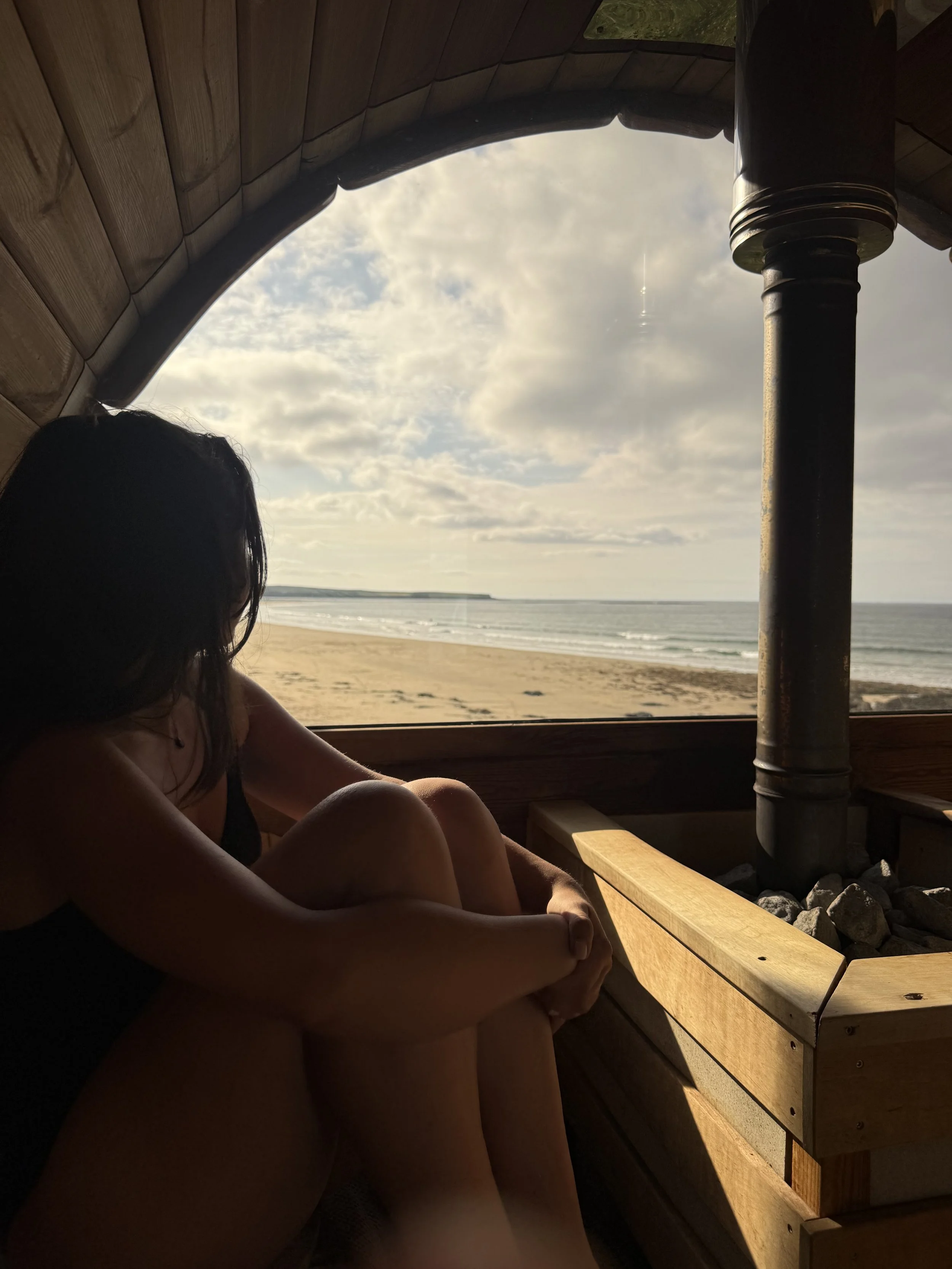
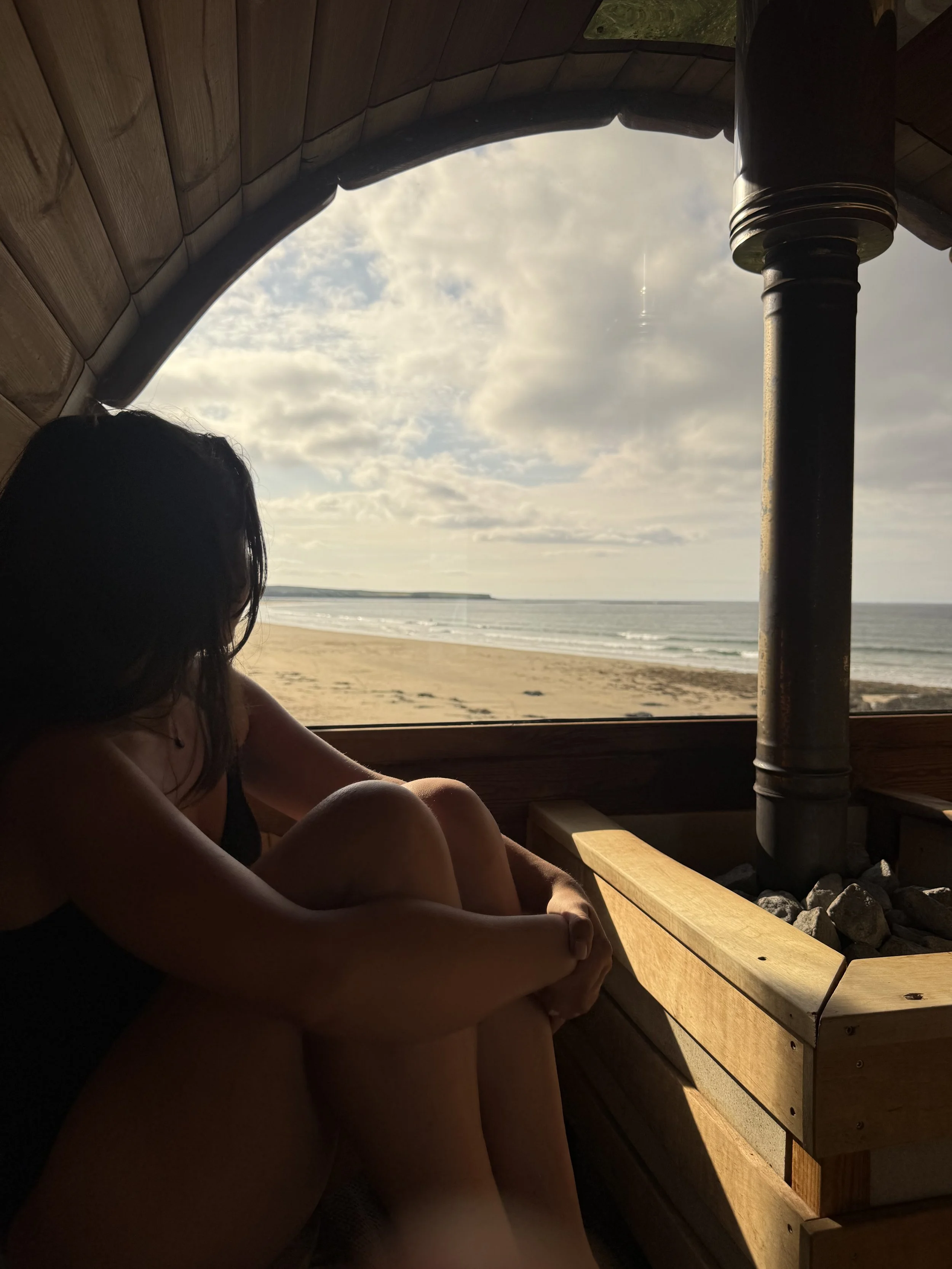
After a busy morning exploring the coastline, slow the pace down with a visit to Sauna Sasta at Dunmoran Strand.
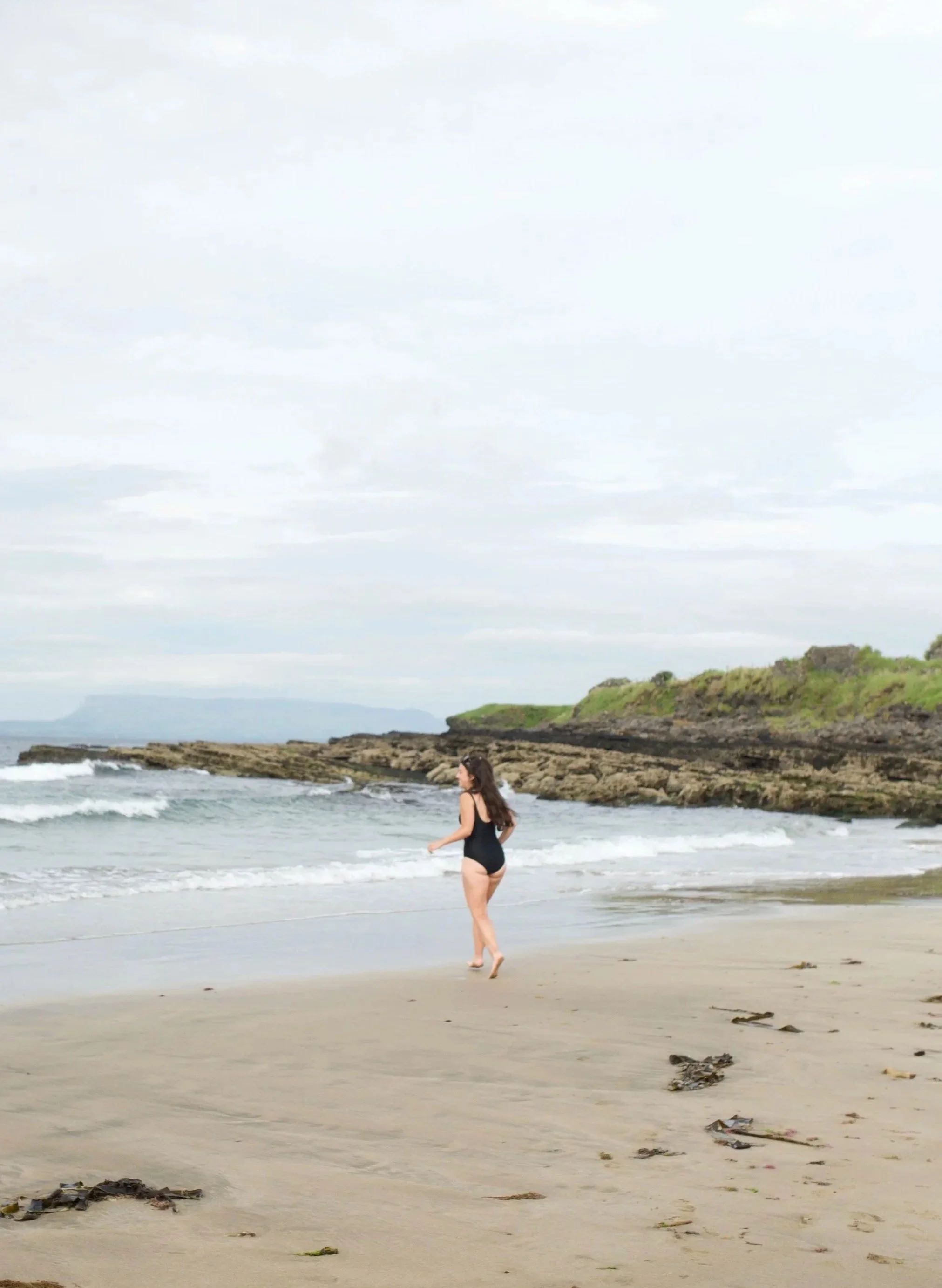
Set just steps from the beach, it's one of those experiences that perfectly sums up the magic of Ireland's west coast. Warm up in the wood-fired sauna while looking out across the Atlantic, then, if you're feeling brave, cool off with a dip in the sea before heading back inside.
This was one of many wood-fired saunas we found on this trip (what a treat to warm up after a cold dip!), but the view from this one was one of my favourites.
Allow: 1–1.5 hours
Tip: Book your session in advance, especially during weekends and throughout the summer, as spaces can fill up quickly.
Stop 4: Streedagh Beach
Drive from Rosses Point: Approximately 25 minutes
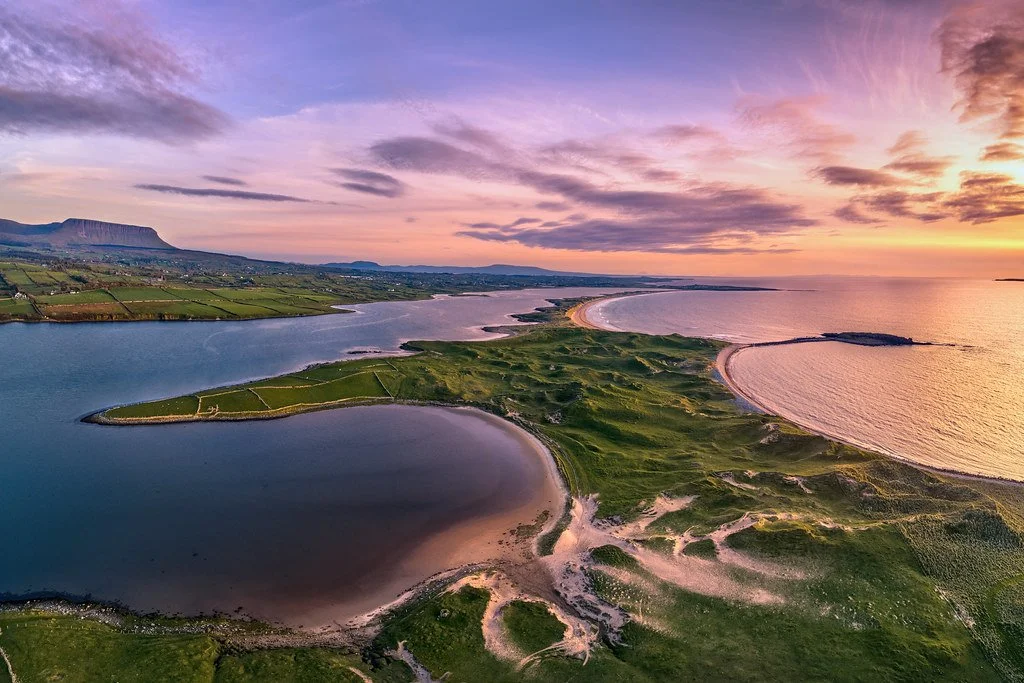
From Rosses Point, continue north to Streedagh Beach, one of the most beautiful beaches in County Sligo.
Stretching for almost 3 km, this wide expanse of golden sand is backed by rolling dunes and framed by Benbulben, making it one of the county's most photogenic spots. Whether you fancy a leisurely walk, watching the surfers take on the Atlantic waves or simply soaking up the scenery, it's well worth taking your time here.
Streedagh is also steeped in history. In 1588, three ships from the Spanish Armada were wrecked just offshore during violent storms, and information boards near the beach tell the story of one of Ireland's most significant maritime events.
Allow: 45 minutes
Tip: If you're visiting on a clear day, walk north along the beach for uninterrupted views towards Donegal.
Stop 5: Classiebawn Castle
Drive from Streedagh Beach: Approximately 10 minutes
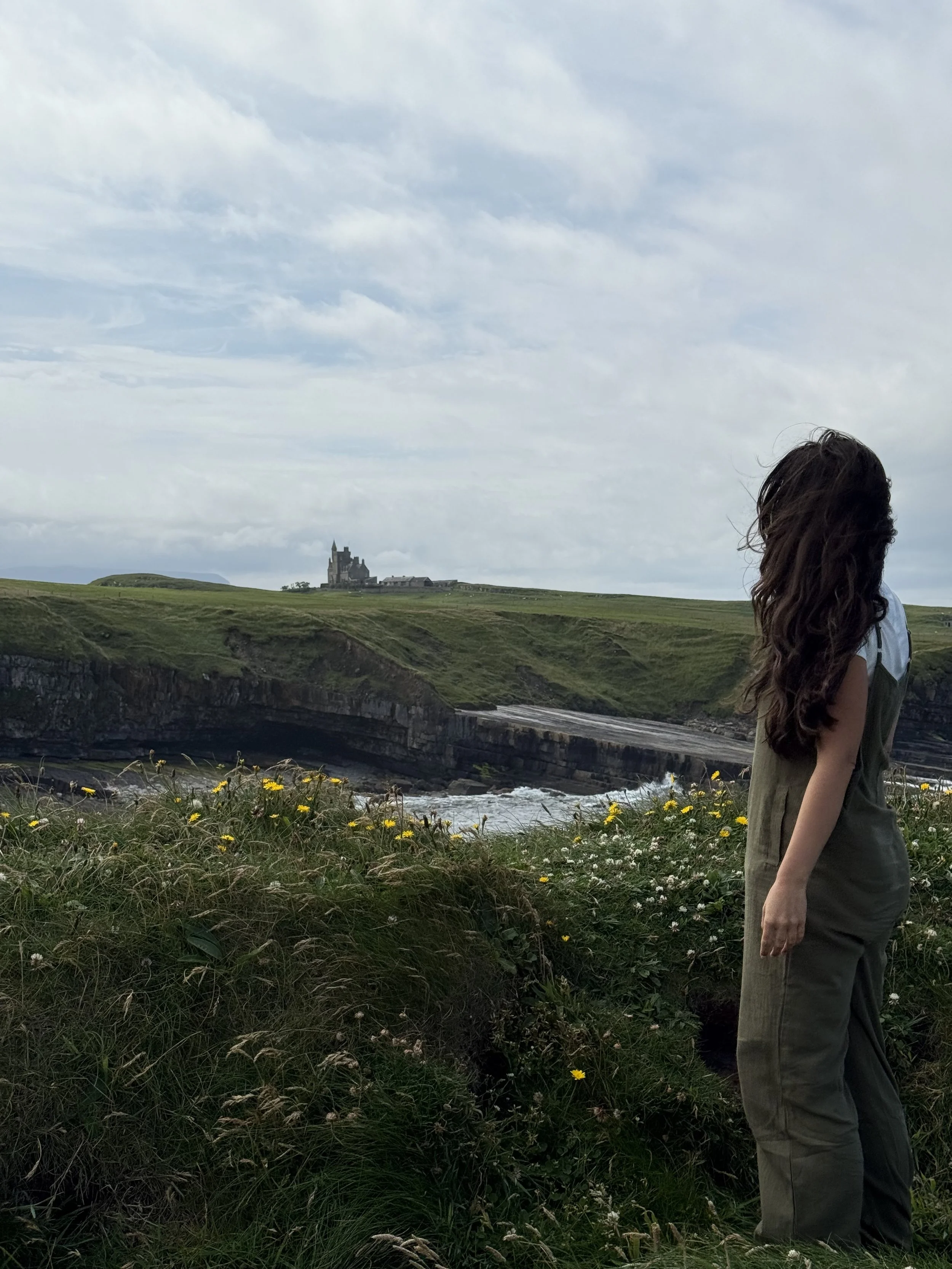
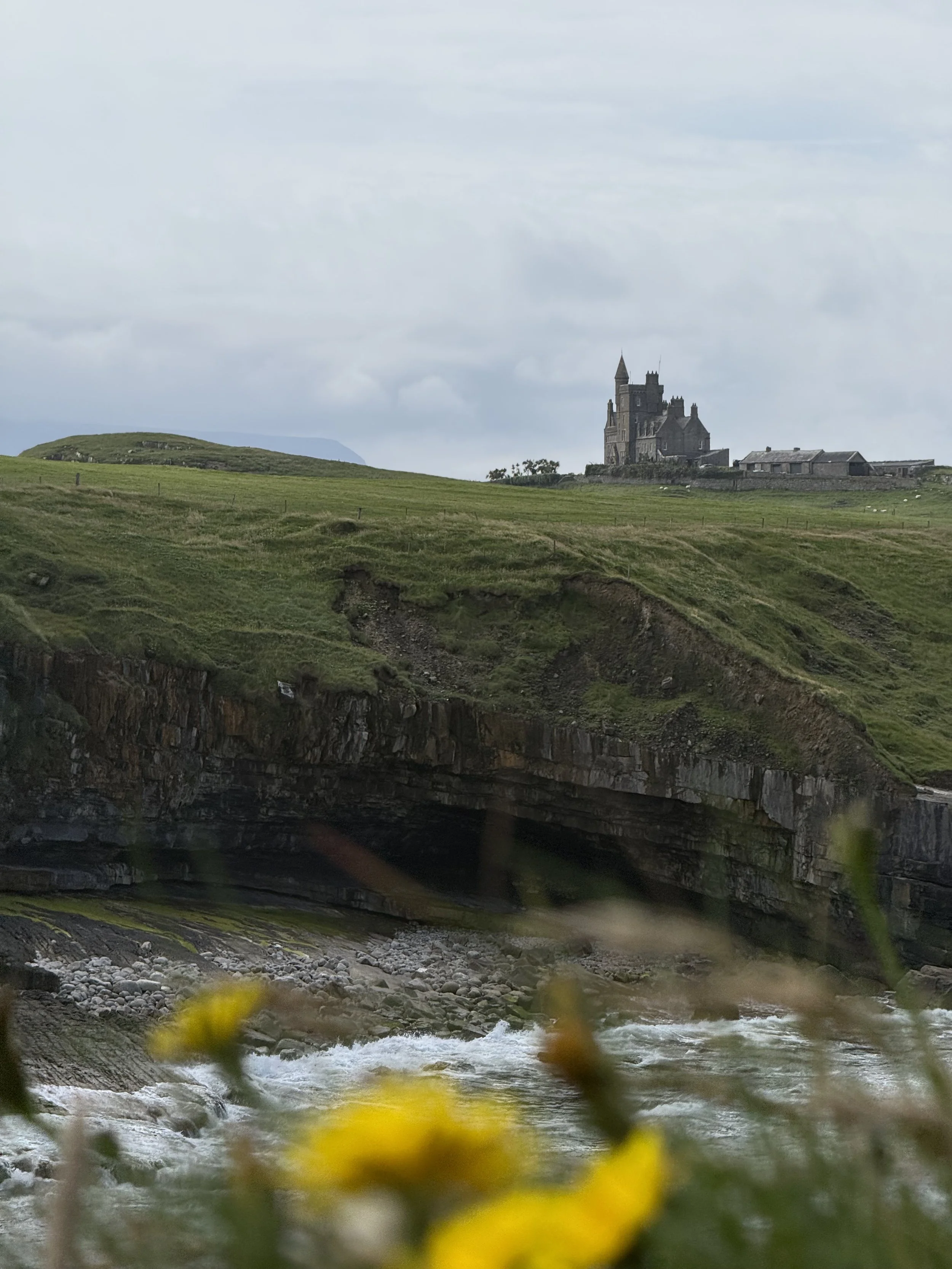
Perched on the edge of the Mullaghmore Peninsula, Classiebawn Castle is one of the most photographed landmarks in northwest Ireland.
Although the castle itself isn't open to the public, it's absolutely worth pulling over for the view. Sitting beneath the distinctive tabletop profile of Benbulben, it's one of those landscapes that looks almost too perfect to be real.
There's a small roadside lay-by nearby where you can stop safely for a few photos before continuing around the peninsula.
Allow: 10–15 minutes
Tip: A wide-angle lens works brilliantly here, helping capture both the castle and Benbulben in the same frame.
Stop 6: Mullaghmore Head
Drive from Classiebawn Castle: Approximately 5 minutes
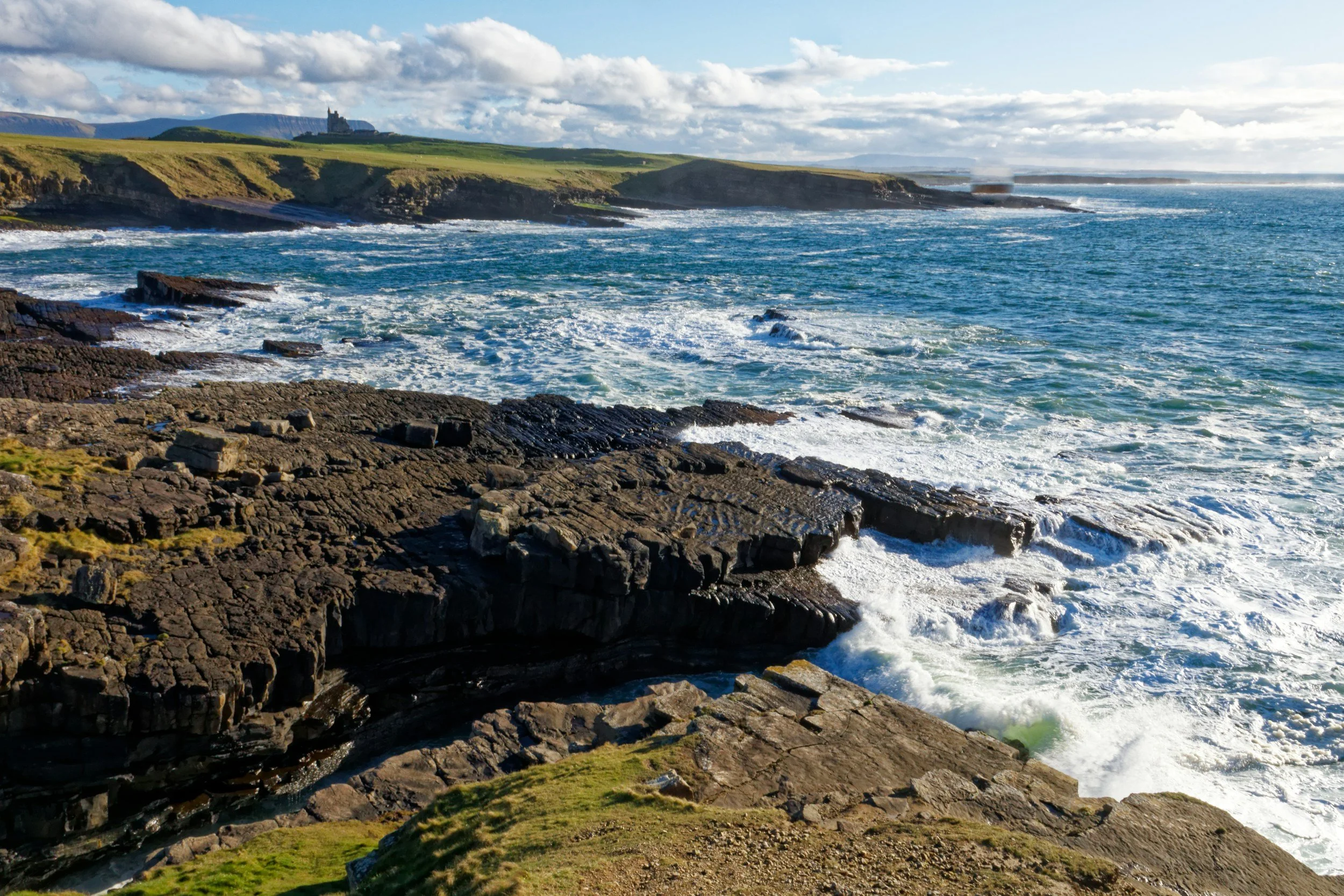
Just around the corner is Mullaghmore Head, where the Atlantic Ocean really begins to show its wild side.
This dramatic headland is famous amongst surfers for producing some of the biggest rideable waves in the world during winter, but even on calmer days it's an incredible place to visit. Powerful waves crash against the rocks, seabirds circle overhead and the views stretch for miles along the rugged coastline.
It's the perfect place to slow down for a while, take in the sea air and appreciate the raw beauty of Ireland's northwest coast.
Allow: 20–30 minutes
Tip: Keep an eye out for seals bobbing just offshore—they're often spotted around the peninsula.
Stop 7: Atlantic Sheepdogs
Drive from Mullaghmore Head: Approximately 15 minutes
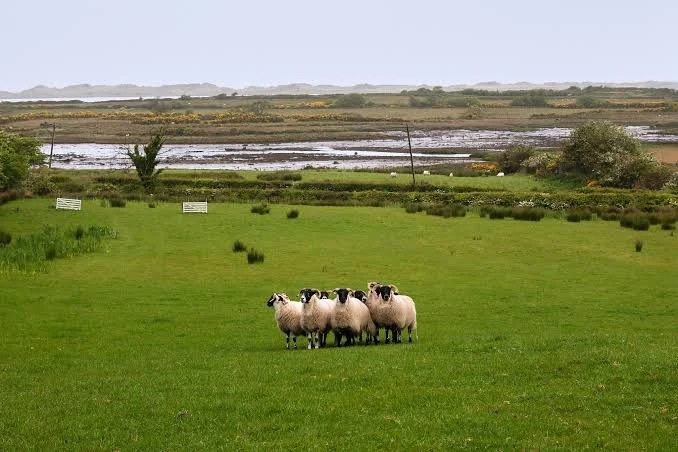
One of the most memorable experiences of the entire trip was visiting Atlantic Sheepdogs.
Run by local shepherd Martin Feeney, the demonstrations offer a fascinating insight into rural life in County Sligo and showcase the remarkable intelligence of his highly trained Border Collies. Watching the dogs respond to whistles and voice commands as they effortlessly guide sheep across the hillside is genuinely impressive and gives you a real appreciation for a tradition that's been passed down through generations.
Even if you don't think a sheepdog demonstration is "your sort of thing", I'd recommend not to skip it. It ended up being one of the highlights of my time in Ireland (complete with sheep cuddles after the demonstration!).
Allow: Around 1 hour
Tip: Book in advance if you're visiting during the summer months, as demonstrations can fill up quickly. Demonstration times change daily - check the website for details as you may need to bring the demonstration earlier or later into your day.
Stop 6: Gleniff Horseshoe
Drive from Atlantic Sheepdogs: Approximately 10 minutes
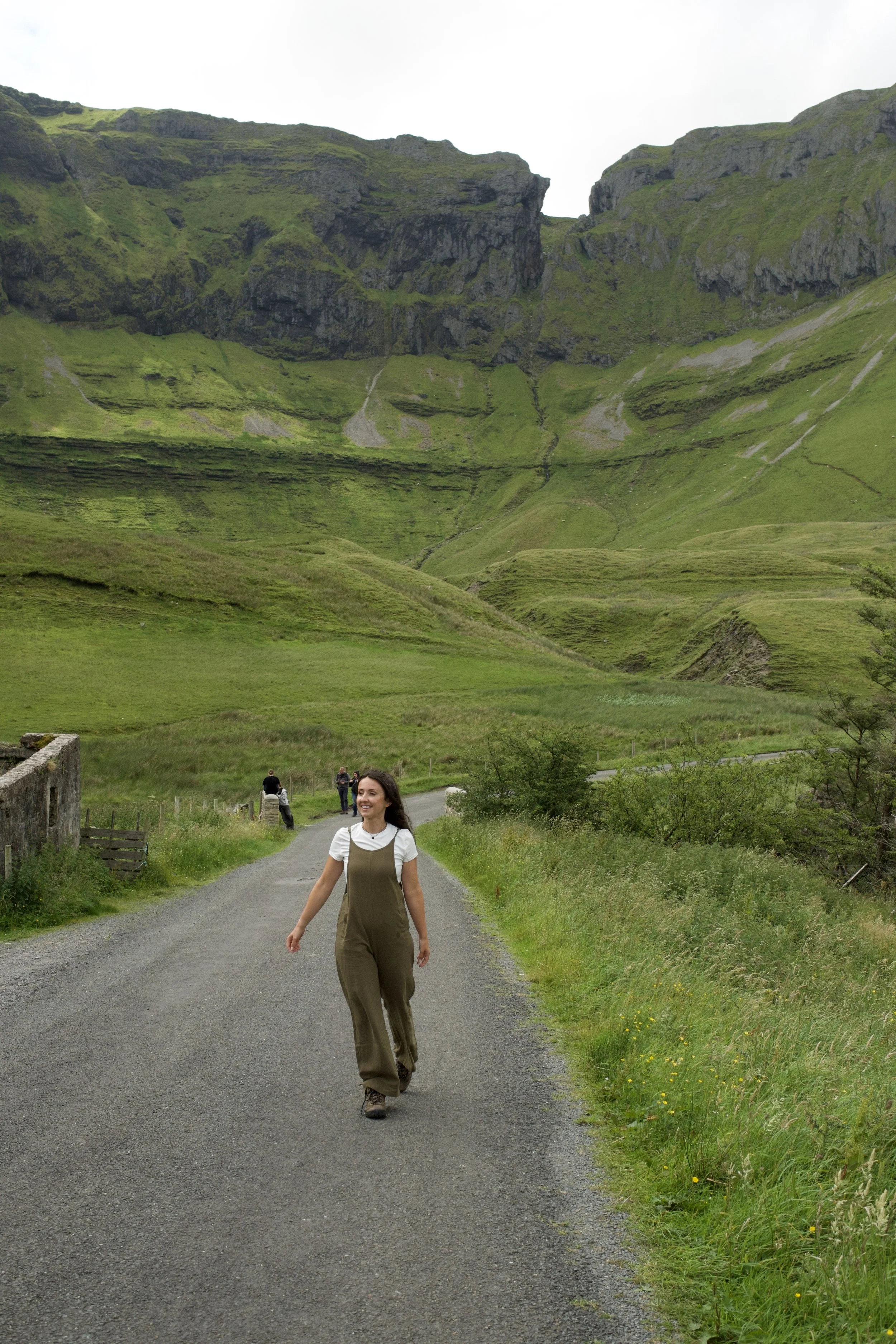
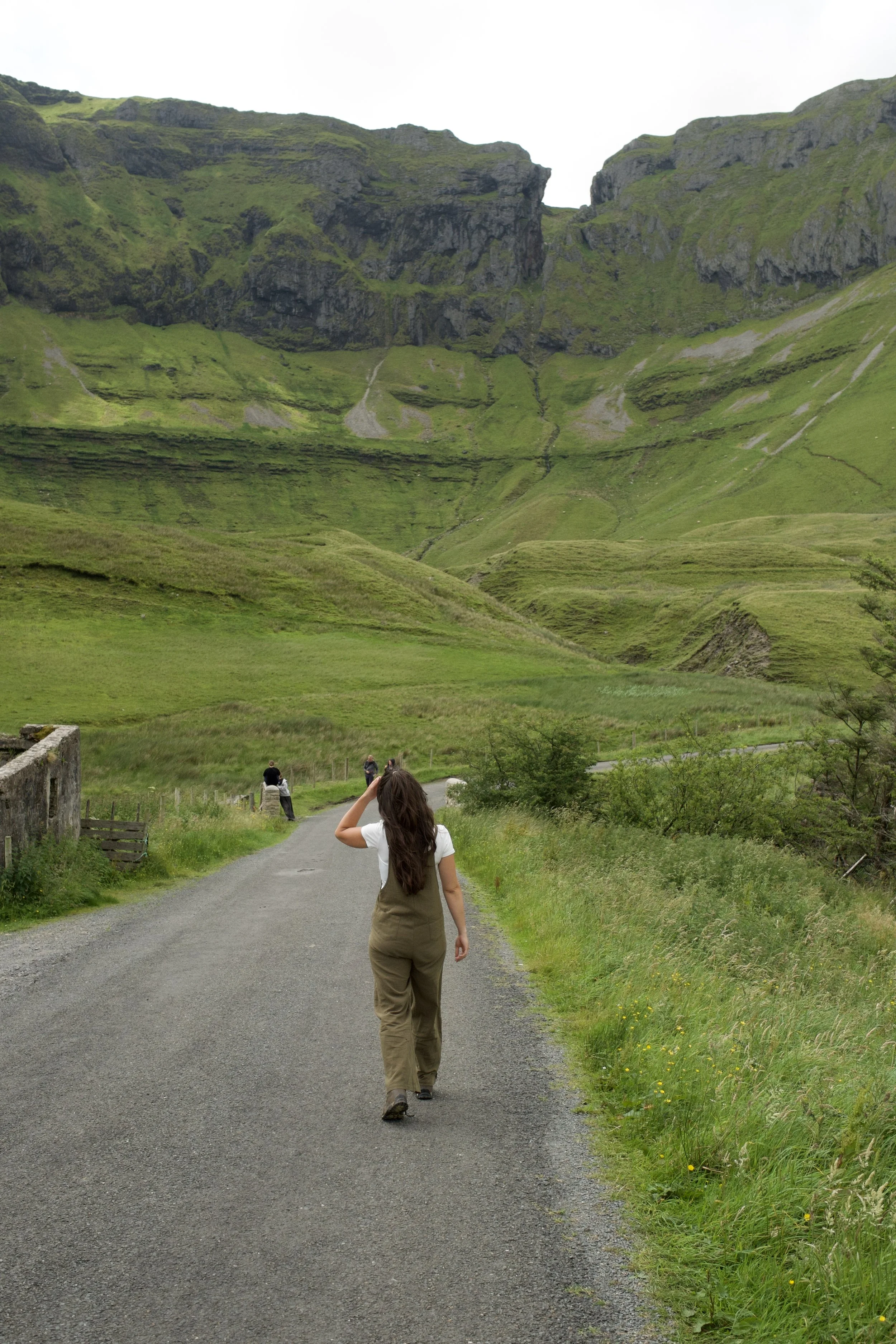
Finish your first day by driving the spectacular Gleniff Horseshoe, a six-mile loop through one of the most breathtaking valleys in Ireland.
Surrounded by towering limestone cliffs and sitting below Ireland’s only tabletop mountain (Benbulben). If you've still got some energy left, it's worth taking a short walk to admire the landscape from ground level. The dramatic scenery and ever-changing light make this one of the most memorable places on the entire itinerary.
Allow: 45–60 minutes
Top tip: Visit later in the afternoon if you can. As the sun begins to drop, the warm light on the surrounding mountains makes the valley even more spectacular.
Where to stay: Teapot Lane Glamping
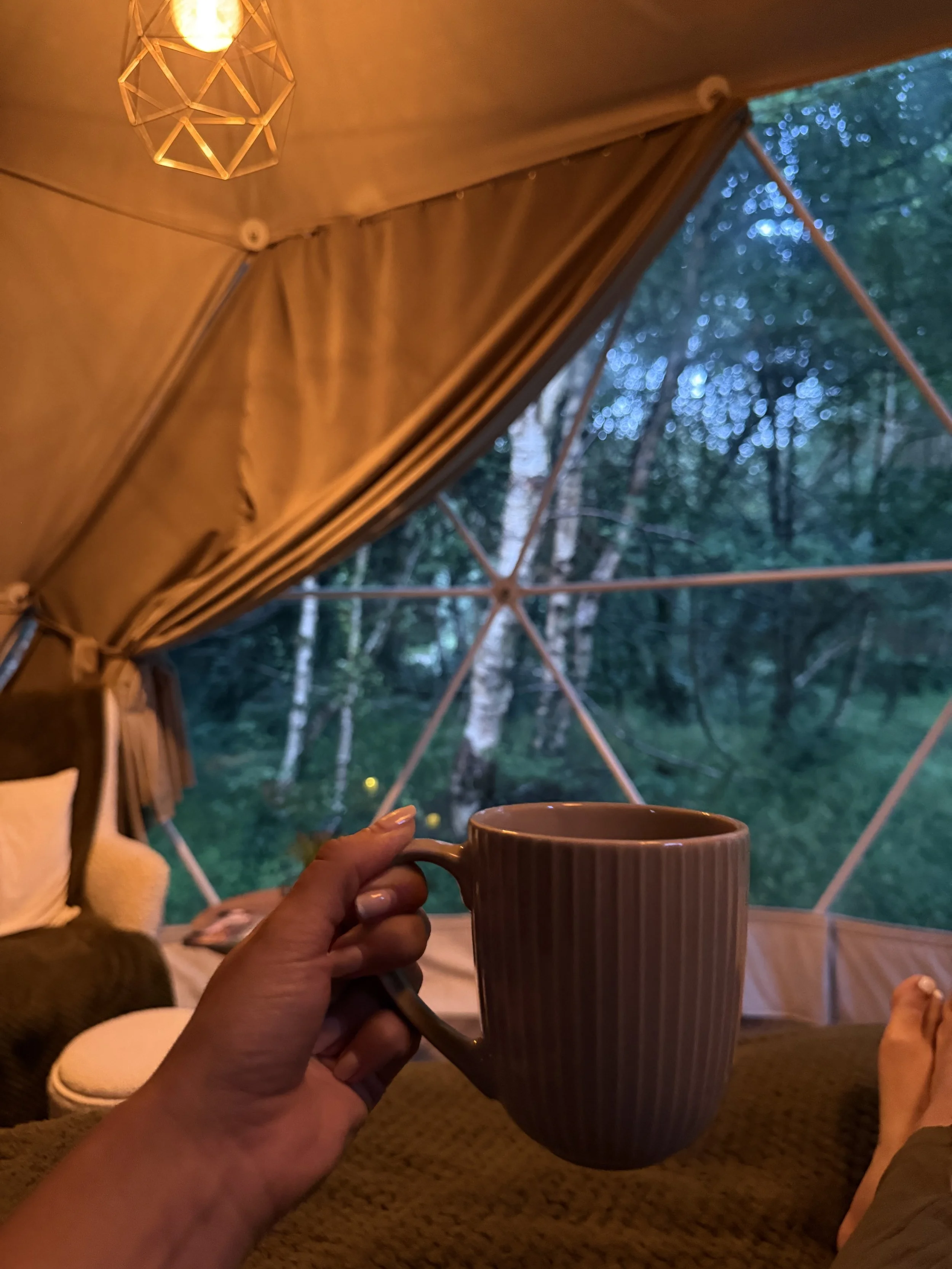
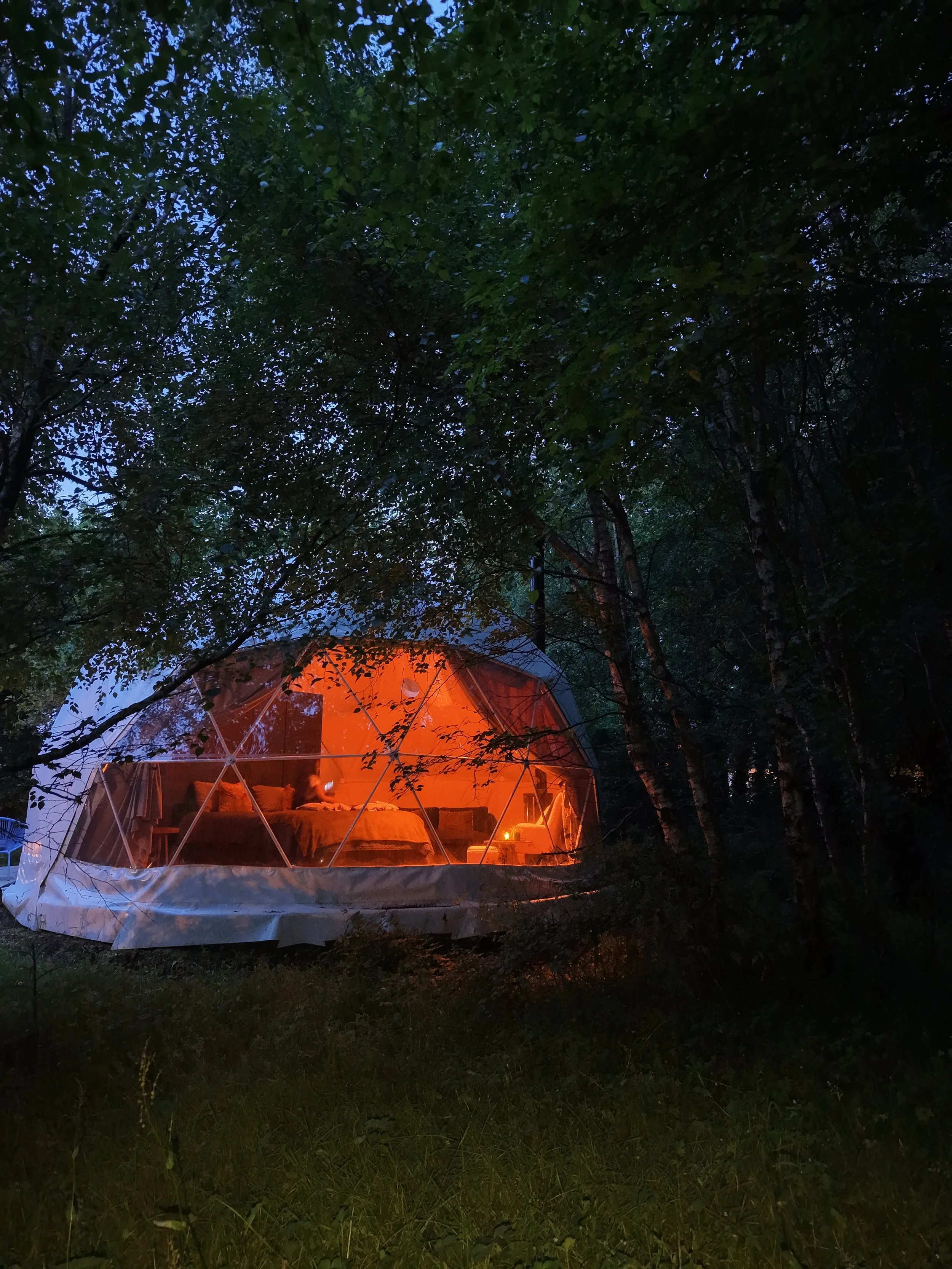
Round off your first day with a stay at Teapot Lane Glamping, a peaceful woodland retreat just outside Sligo.
After a day spent exploring beaches, castles and mountain roads, this place couldn’t be more relaxing. The geodesic domes are cosy, comfortable and thoughtfully designed, with everything you need for a memorable night's stay. Inside your dome you’ll find a comfy bed, dining table, and a brew station (equipped with fridge, kettle and coffee machine). Outside, you’ll find a shared bathroom and shower, as well as a fully stocked bar and communal kitchen area.
If you're looking for accommodation that's a little different from the usual hotel, this is a brilliant choice. Waking up surrounded by nature feels like the perfect start to the next stage of your Ireland road trip.
Day One Summary
Driving time: Approximately 1 hour 45 minutes (excluding stops)
Highlights: Rosses Point, Streedagh Beach, Classiebawn Castle, Mullaghmore Head, Atlantic Sheepdogs and Gleniff Horseshoe.
Overnight: Teapot Lane Glamping.
Day Two: Waterfalls, Woodland Walks & Historic Castles
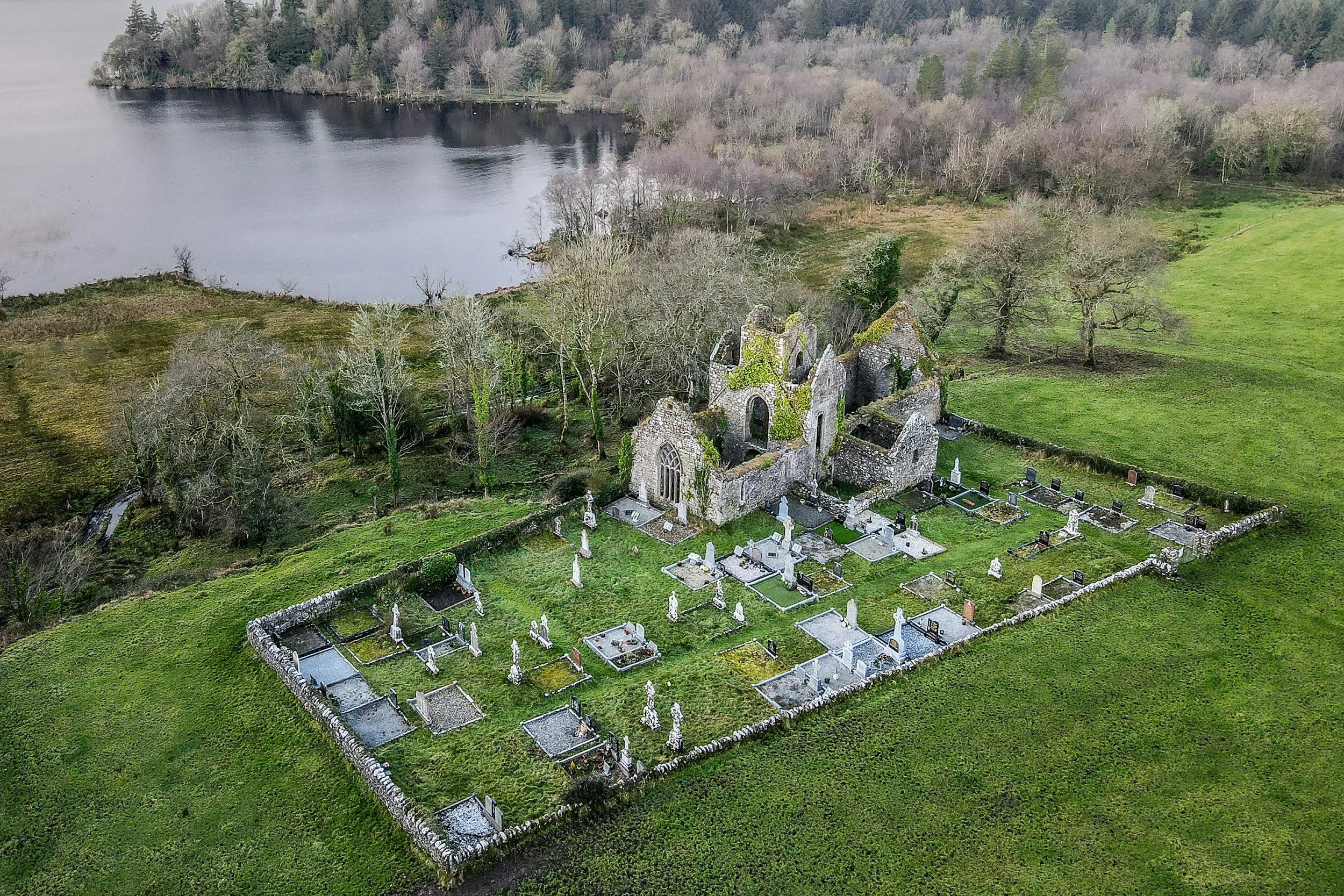
Driving time: Approximately 2 hours (excluding stops)
After a day spent exploring Sligo's coastline, today takes you inland to discover a different side of the county. Expect ancient woodlands, peaceful lakes, hidden waterfalls and one of Ireland's most distinctive mountains before ending the day crossing into neighbouring County Leitrim.
This is one of the quieter days of the itinerary, but don't mistake that for less spectacular. Some of my favourite moments on this trip came from slowing the pace down on this section of the route, stretching my legs on a few short walks, and taking in the scenery away from the busier coastal hotspots.
Day Two Overview
| Stop | Time to allow | Highlights |
|---|---|---|
| Glencar Waterfall | 30–45 mins | Woodland waterfall walk |
| Devil's Chimney | 45–60 mins | Ireland's tallest waterfall |
| Benbulben Forest Walk | 1 hour | Views beneath Benbulben |
| Yeats Trail | 30–60 mins | Literary landscapes |
| Parke's Castle | 1 hour | Lakeside medieval castle |
Stop 1: Glencar Waterfall
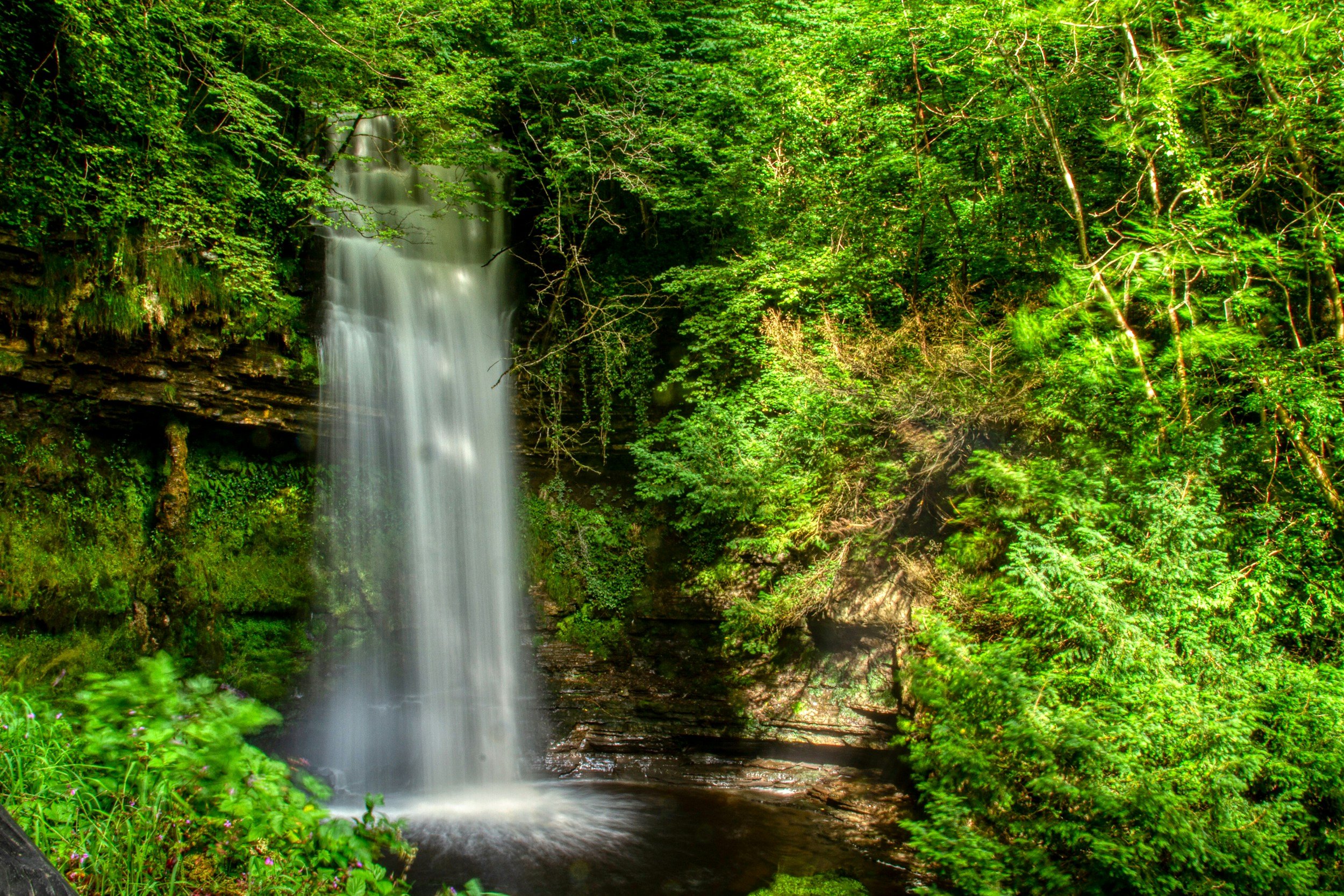
Drive from Teapot Lane Glamping: Approximately 20 minutes
Your first stop is Glencar Waterfall, one of County Leitrim's most famous natural attractions.
Surrounded by mature woodland and cascading into a tranquil pool below, the waterfall is said to have inspired W.B. Yeats' poem The Stolen Child. At around 15 metres high, it's not Ireland's tallest waterfall, but it is certainly one of its most picturesque! And thanks to the short, accessible walk from the car park, it's suitable for almost everyone.
Take a few minutes to wander the riverside paths and enjoy the peaceful setting before continuing your journey.
Allow: 30–45 minutes
Tip: Visit after a spell of rain to see the waterfall at its most impressive.
Stop 2: Devil's Chimney
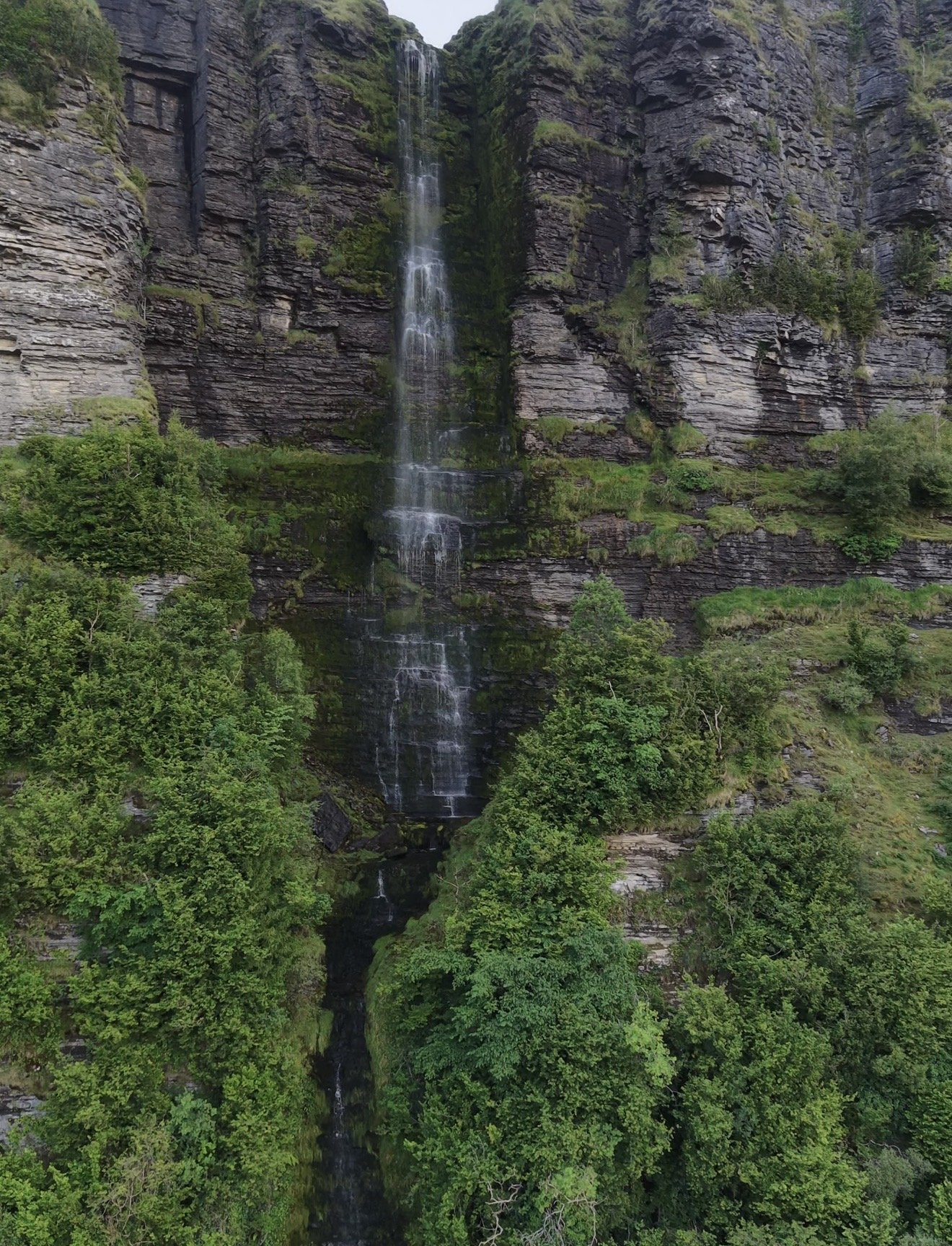
Drive from Glencar Waterfall: Approximately 10 minutes
Just a short drive away is Devil's Chimney (Sruth in Aghaidh an Aird), Ireland's tallest waterfall.
Unlike Glencar, reaching Devil's Chimney requires a short uphill walk through woodland, but the effort is more than worth it. From the viewing platform, you'll be rewarded with sweeping views across the valley and a dramatic waterfall that appears to flow upwards on particularly windy days (which is where the waterfall gets its unique name).
Walk distance: Around 1.2 km return
Allow: 45–60 minutes
Tip: Devil’s Chimney only flows after periods of rain. We were lucky that the first part of the trip had started as a very rainy July, but if you visit after a dry spell it’s unlikely the falls will be in flow.
Stop 3: Benbulben Forest Walk
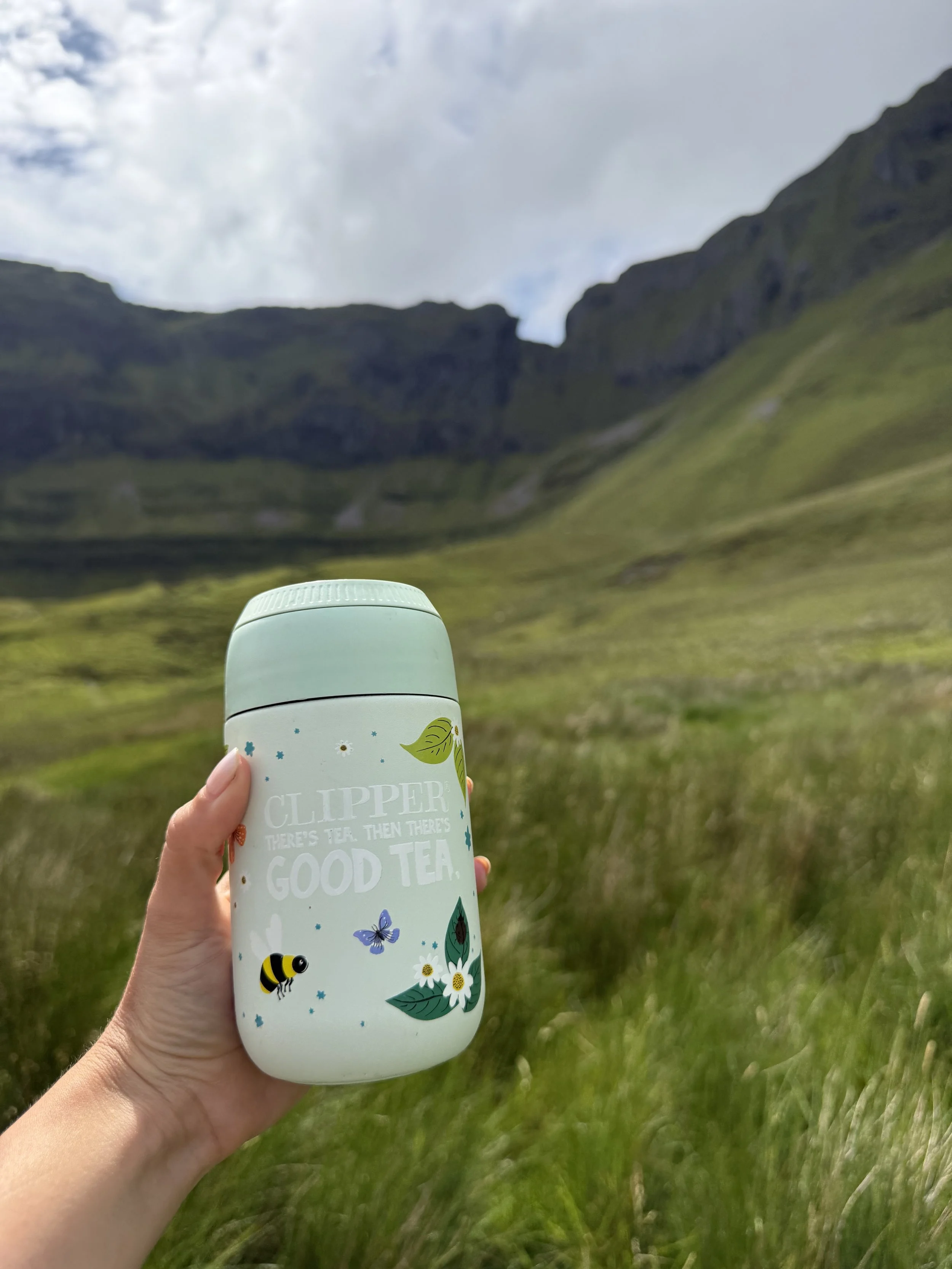
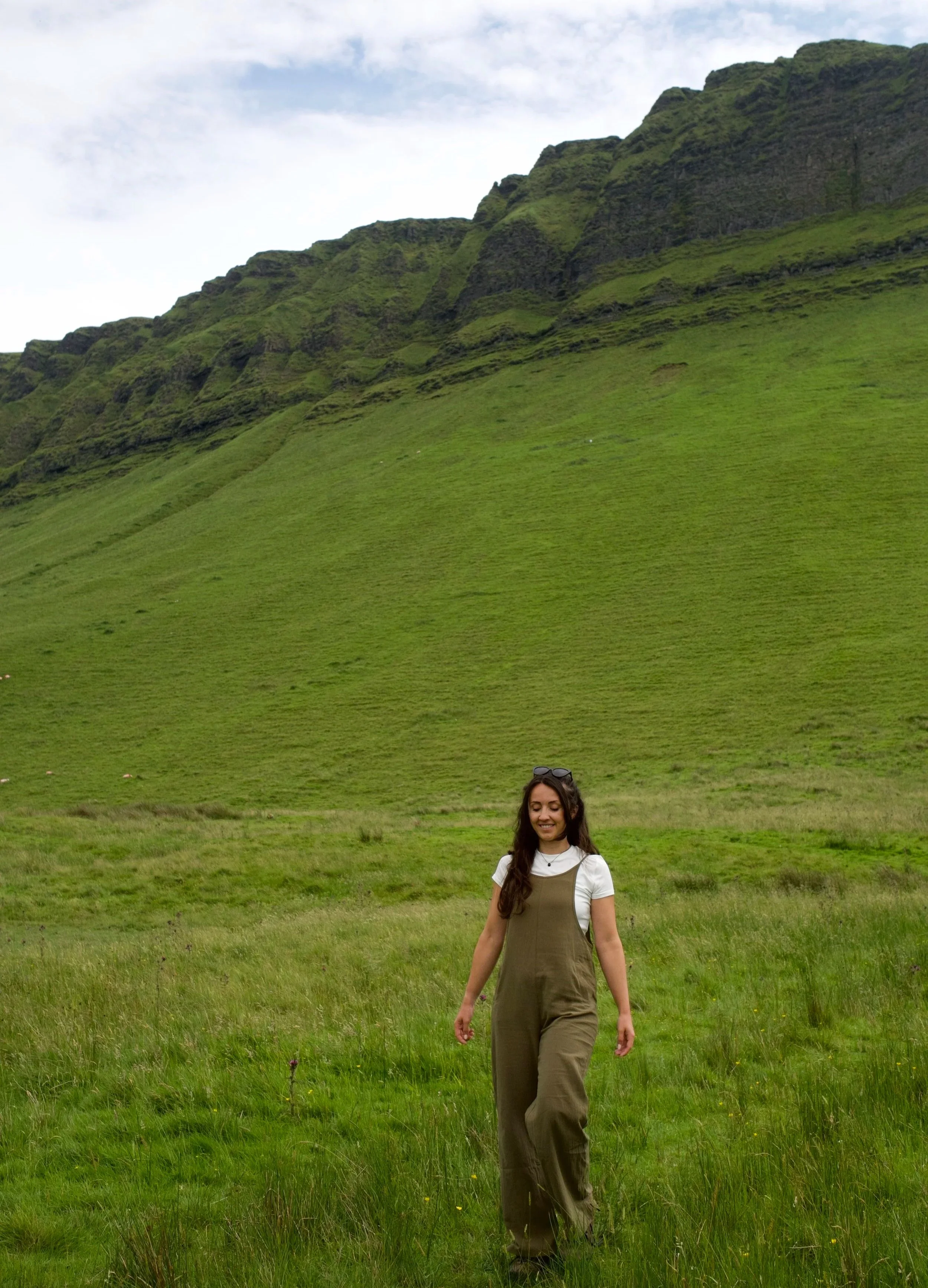
Drive from Devil's Chimney: Approximately 20 minutes
No trip to County Sligo would be complete without seeing Benbulben (Ireland’s only tabletop mountain) up close.
Rather than tackling the challenging summit hike, this itinerary follows the much easier Benbulben Forest Walk, which winds through peaceful woodland beneath the mountain's iconic tabletop profile.
It's an ideal option if you want to experience the scale of Benbulben without committing to a full day's hike, and it's one of the most photogenic walks of the entire trip.
Allow: Around 1 hour
Top tip: Look back along the trail every so often (you'll get some of the best views of the mountain behind you!)
Stop 4: Yeats Trail
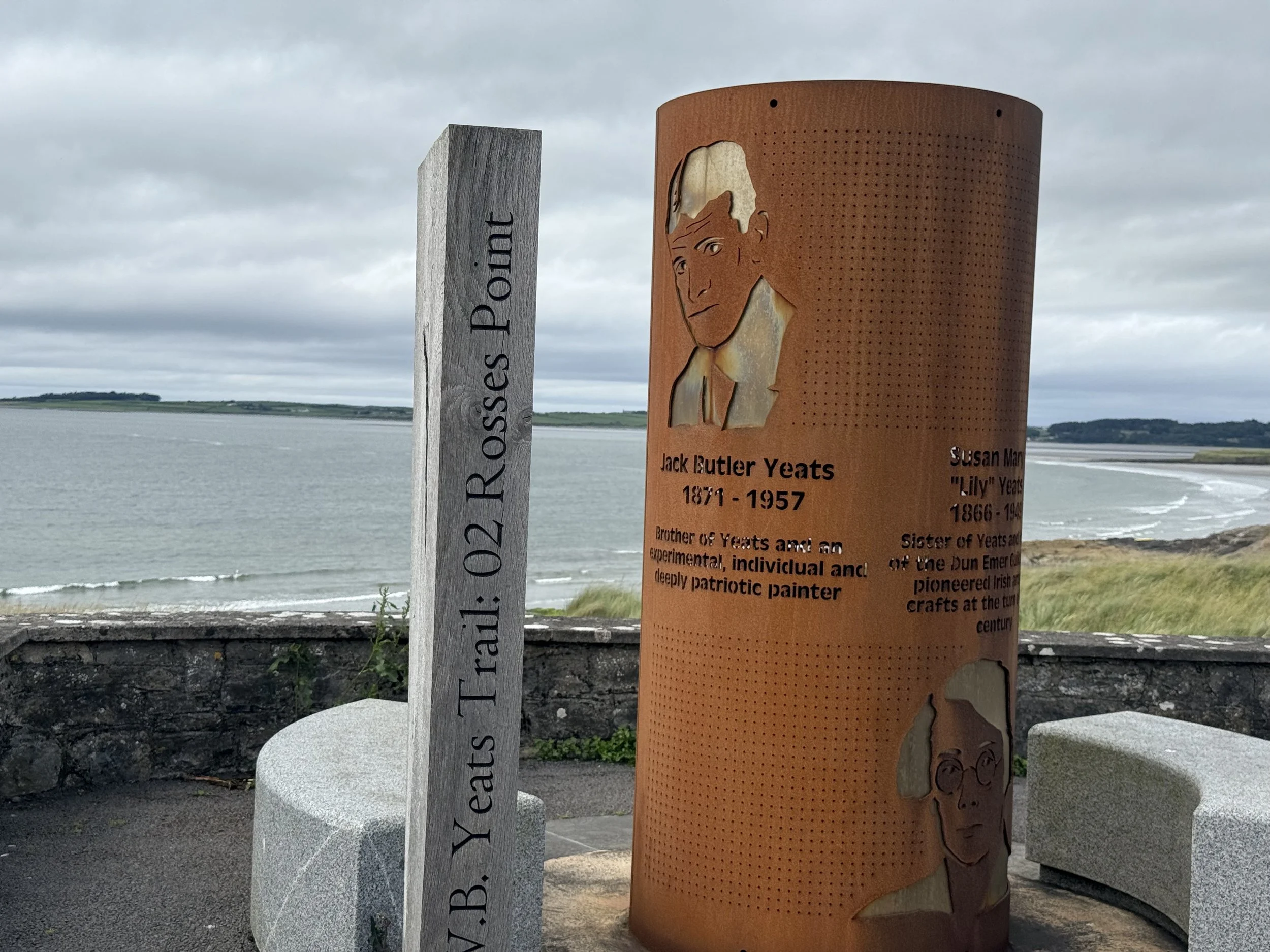
As you continue through Sligo, you'll begin to understand why this landscape inspired so much of the work of poet W.B. Yeats.
The Yeats Trail links together many of the places associated with his life and writing, taking in peaceful lakes, mountain viewpoints and villages that influenced some of Ireland's most celebrated poetry.
Even if you're not particularly interested in literature, it's a wonderful way to experience more of Sligo's scenery while learning a little about the county's cultural heritage.
Rather than trying to visit every stop, I'd recommend choosing a couple that fit naturally into your route.
Allow: Flexible (30–60 minutes)
Stop 5: Parke's Castle
Drive from the Yeats Trail: Approximately 25 minutes
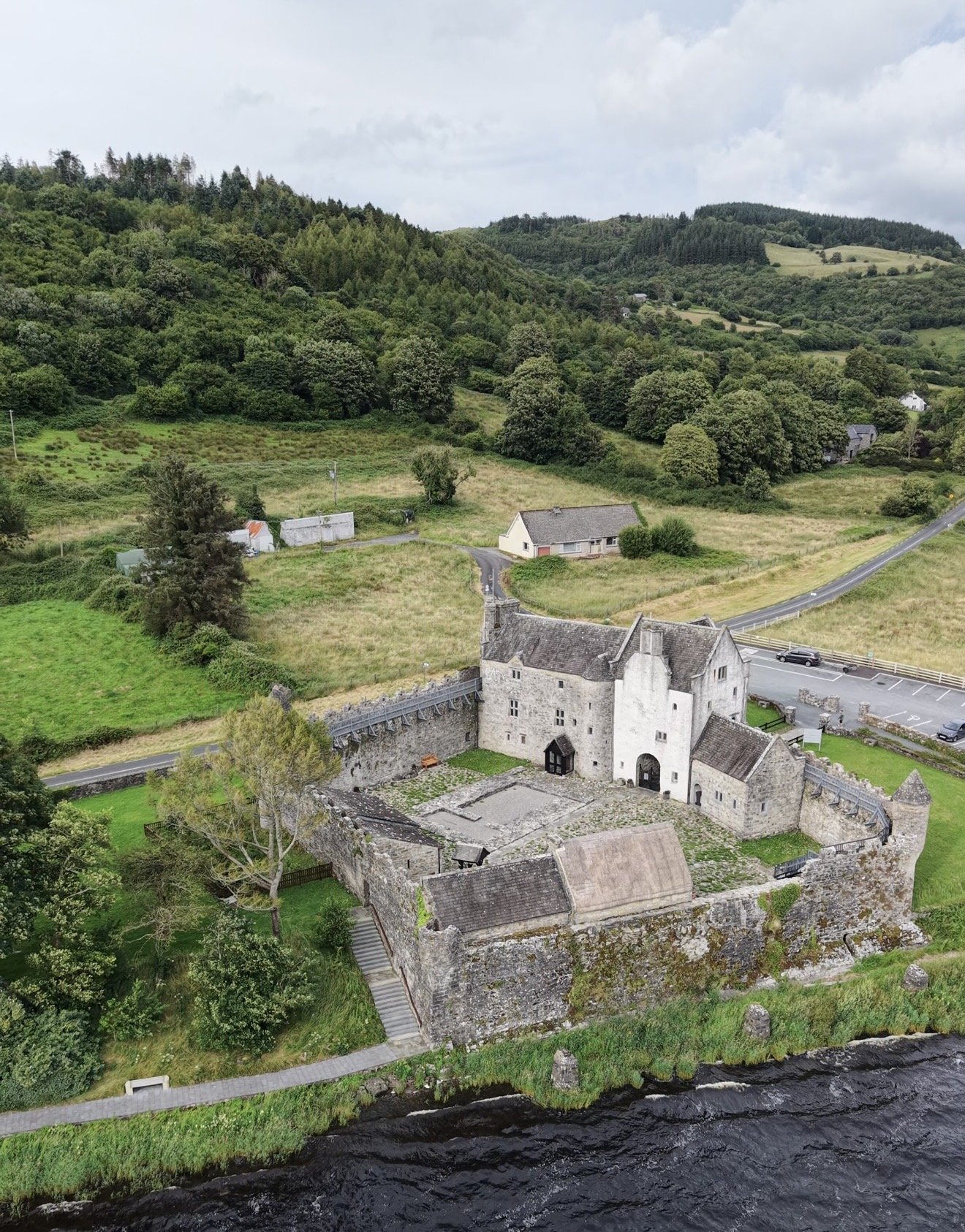
Perched on the shores of Lough Gill, Parke's Castle is the perfect final stop before continuing north.
The lakeside setting is just as impressive as the castle itself, making it well worth taking a stroll around the grounds after your visit. If time allows, enjoy one last peaceful walk beside Lough Gill before setting off towards Donegal for the next stage of your adventure.
Allow: Around 1 hour
Day Two Summary
After exploring Sligo's dramatic coastline yesterday, today offers a slower pace and a chance to discover the county's quieter side. From peaceful woodland walks and cascading waterfalls to historic castles and the iconic Benbulben, it's a day packed with some of the northwest's most memorable landscapes.
Driving time: Approximately 2 hours (excluding stops)
Highlights: Glencar Waterfall, Devil's Chimney, Benbulben Forest Walk, the Yeats Trail and Parke's Castle.
Overnight: Continue north towards County Donegal, ready to explore dramatic sea cliffs, hidden beaches and one of Ireland's most spectacular stretches of coastline tomorrow.
Day Three: Dramatic Cliffs, Castles & Coastal Views in County Donegal
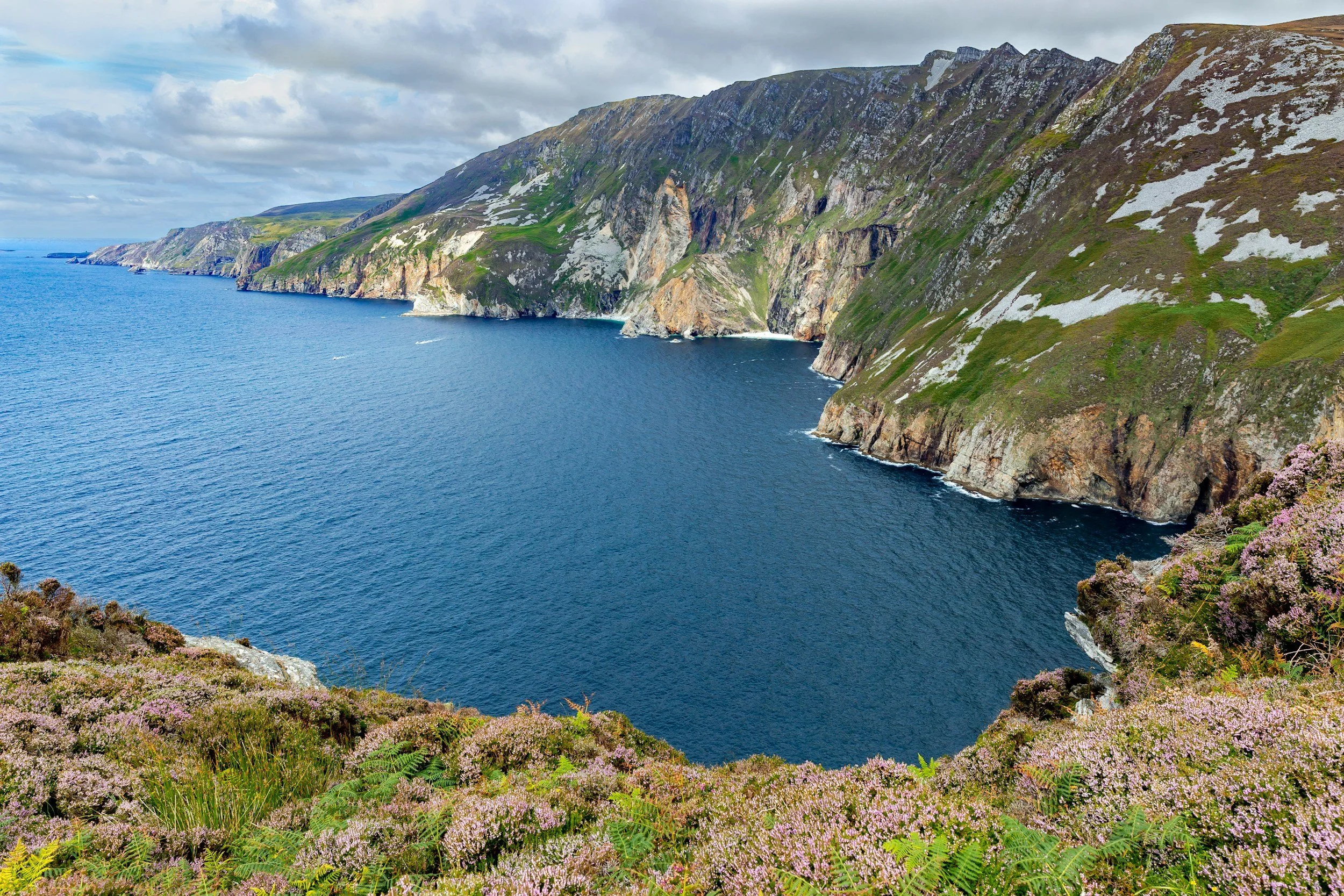
Driving time: Approximately 3 hours (excluding stops)
If you've been waiting for the jaw-dropping scenery, this is the day.
From white-sand beaches and medieval castles to towering sea cliffs and one of the most memorable boat trips I've ever done, today showcases everything that makes County Donegal so special. The roads are quieter, the landscapes become even wilder (and the locals are somehow even friendlier!).
Take your time today. Although you'll cover a fair bit of ground, there are plenty of opportunities to stop, stretch your legs and soak up some of Ireland's most spectacular scenery.
Day Three Overview
| Stop | Time to allow | Highlights |
|---|---|---|
| Glenveagh National Park & Castle | 2–3 hours | Castle, gardens & mountain scenery |
| Portsalon Beach | 30–45 mins | Golden sands & turquoise water |
| Doe Castle | 20–30 mins | Medieval castle on Sheephaven Bay |
| Lunch in Dunfanaghy | 1 hour | Cosy cafés & coastal village |
| Leo's Tavern | 30 mins | Home of Enya & Clannad |
| Silver Strand (Malin Beg) | 45 mins | White sand & turquoise bay |
| Sliabh Liag Viewing Platform | 30 mins | Europe's highest accessible sea cliffs |
| Sliabh Liag Boat Tour | 1.5–2 hours | Sea caves & cliff views from the water |
| Blue Haven, Kilcar | Overnight | Cosy stay in the heart of Kilcar |
Stop 1: Glenveagh National Park & Castle
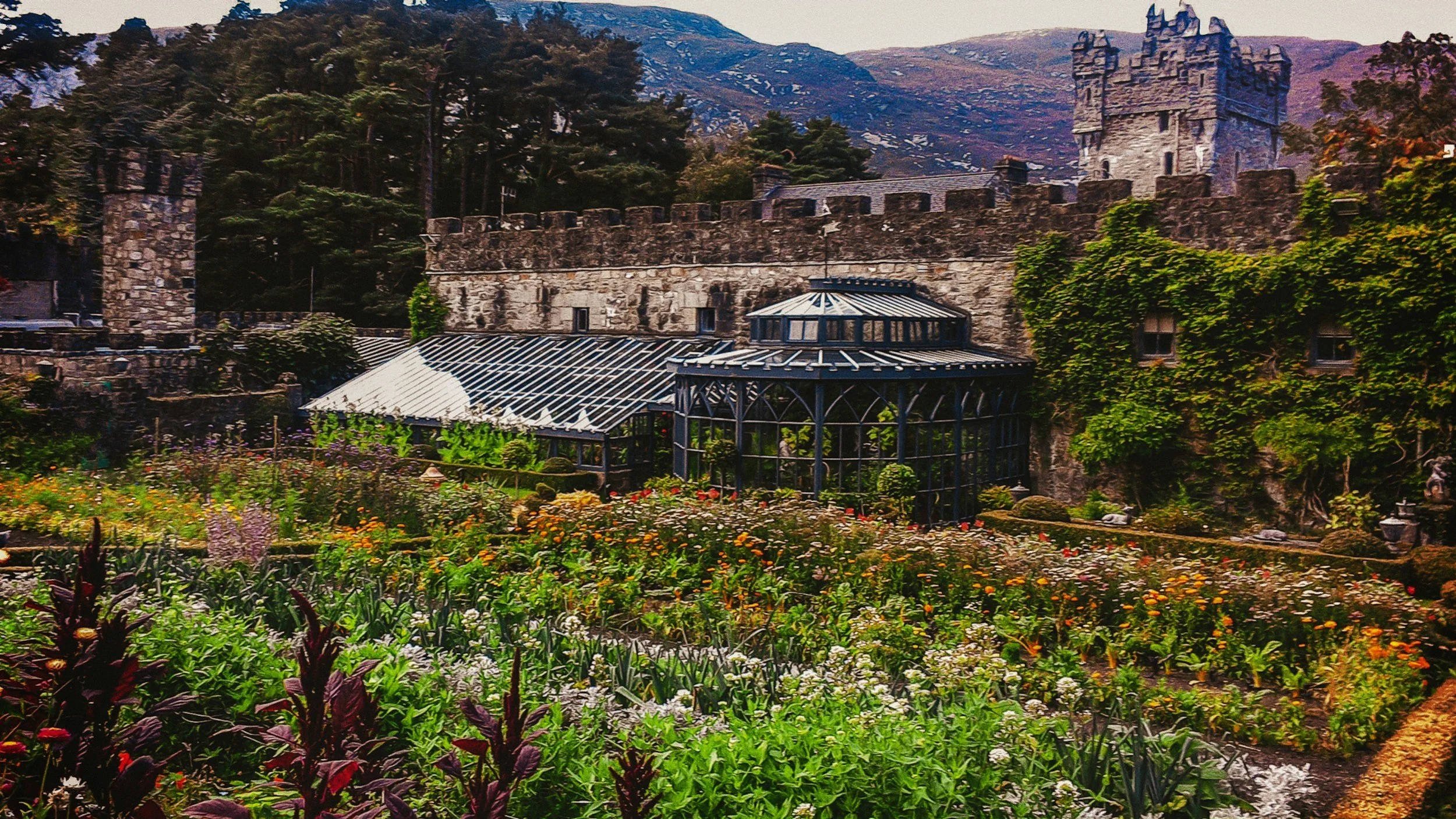
Drive from Blue Haven: Approximately 1 hour 30 minutes
There's no better way to start the day than with a visit to Glenveagh National Park, one of Ireland's six national parks and home to thousands of hectares of mountains, lakes and native woodland.
At the heart of the park sits Glenveagh Castle, a beautiful 19th-century castle overlooking Lough Veagh. Surrounded by colourful gardens and dramatic mountain scenery, it's one of the most picturesque places in Donegal and well worth spending a few hours exploring.
Whether you decide to tour the castle, wander through the gardens or simply enjoy a lakeside walk, this is somewhere you'll want to take your time (and if you’re visiting in summer, make sure you pop to the Castle Cafe for an iced coffee and one of their lovely bakes).
Allow: 2–3 hours
Tip: A shuttle bus runs between the visitor centre and the castle if you'd prefer not to walk.
Stop 2: Portsalon Beach
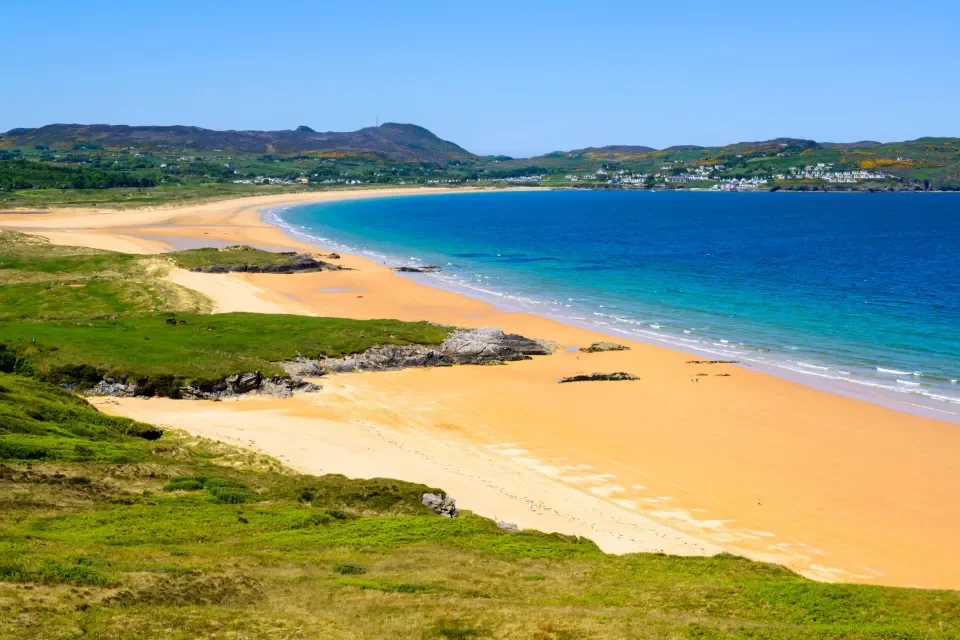
Drive from Glenveagh: Approximately 50 minutes
Frequently named one of Ireland's most beautiful beaches, Portsalon Beach is every bit as impressive as the photos suggest. Even if you're only stopping for a quick stroll, it's a beautiful place to slow down before hitting the road again.
Allow: 30–45 minutes
Tip: Walk towards the northern end of the beach for the best panoramic views across the bay.
Stop 3: Doe Castle
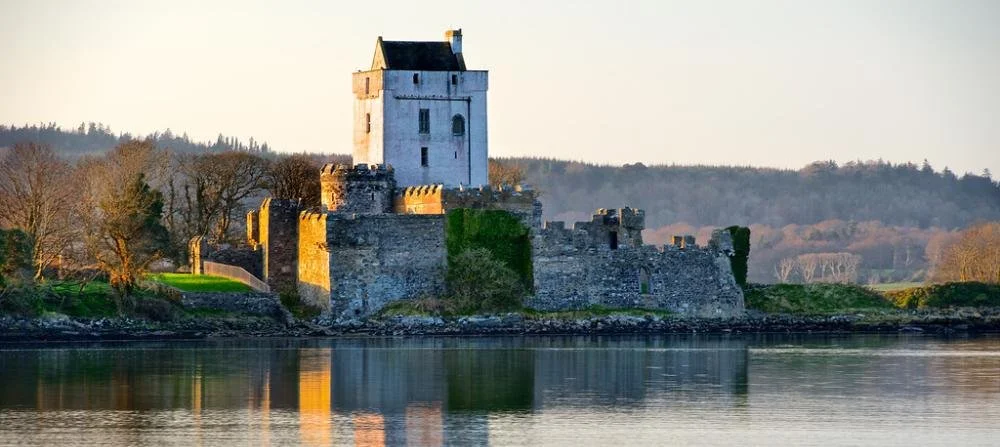
Drive from Portsalon Beach: Approximately 35 minutes
Standing on the shores of Sheephaven Bay, Doe Castle is one of Donegal's best-preserved medieval castles.
Dating back to the 15th century, it was once the stronghold of the MacSweeney clan and occupies an incredibly peaceful setting overlooking the water. Unlike some of Ireland's better-known castles, Doe Castle often feels surprisingly quiet, making it a lovely place to stop and explore without the crowds.
Allow: 20–30 minutes
Tip: Walk around to the waterside for one of the best photo angles of the castle.
Stop 4: Lunch in Dunfanaghy
Drive from Doe Castle: Approximately 15 minutes
After a busy morning, Dunfanaghy is the perfect place to stop for lunch.
This colourful little village is packed with welcoming cafés, bakeries and seafood restaurants, making it a great place to recharge before another afternoon of exploring. If you've got a little extra time, have a wander through the independent shops before getting back on the road.
Allow: Around 1 hour
Stop 5: Leo's Tavern

Drive from Dunfanaghy: Approximately 45 minutes
A visit to Leo's Tavern is a must if you enjoy traditional Irish music.
This famous pub was once run by the family of Irish music legends Enya and Clannad, and still celebrates its musical heritage today. Whether you stop for a quick drink or simply want to soak up the atmosphere, it's a lovely addition to the route.
Allow: 30 minutes
Tip: If your itinerary allows, opt to visit in the evening instead so you don’t miss out on the live music
Stop 6: Silver Strand at Malin Beg
Drive from Leo's Tavern: Approximately 50 minutes
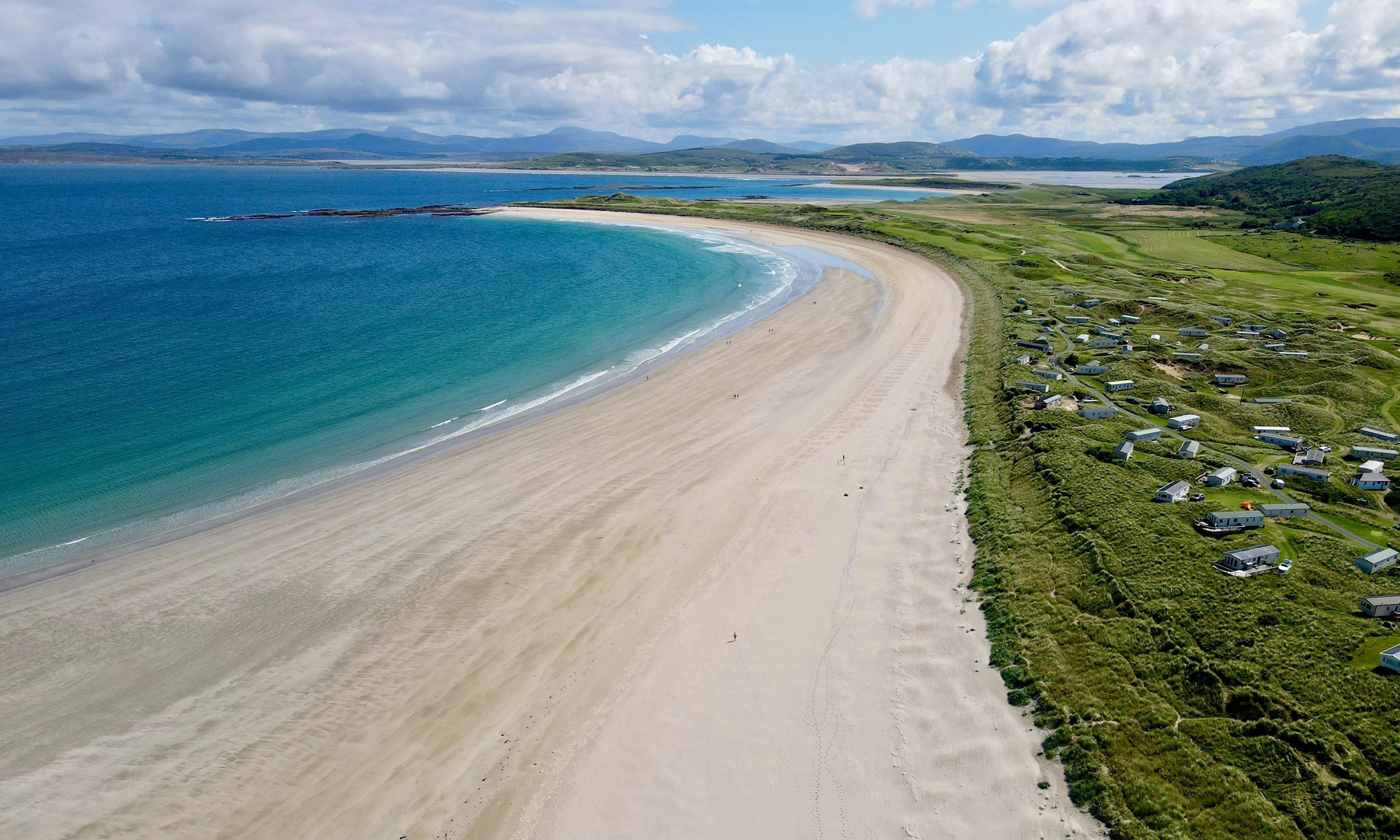
Hidden beneath towering cliffs, Silver Strand Beach at Malin Beg is one of Donegal's true hidden gems.
Reached via a steep staircase, the horseshoe-shaped beach is famous for its dazzling turquoise water and soft white sand. On a sunny day, the colours are almost unbelievable. It's one of those places where photos simply don't do it justice, and I’d definitely recommend spending as long here as you can.
Allow: 1 hour
Tip: Bring a cup of tea, your swimsuit, and soak it in.
Stop 7: Sliabh Liag Viewing Platform
Drive from Malin Beg: Approximately 20 minutes
Before heading out on the water, stop at the Sliabh Liag Viewing Platform for your first glimpse of these incredible cliffs.
Rising almost 600 metres above the Atlantic Ocean, they're among the highest accessible sea cliffs in Europe and are an unforgettable sight, even from the viewing area.
Allow: 30 minutes
Stop 8: Sliabh Liag Boat Tour
If there's one experience I'd recommend booking before your trip, it's this.
Seeing Sliabh Liag from the water completely changes your perspective. From the boat, you'll cruise beneath the towering cliffs, explore hidden sea caves and appreciate just how immense these landscapes really are.
It was, without doubt, one of the biggest highlights of my entire Ireland road trip.
Allow: 1.5–2 hours
Tip: Bring a waterproof jacket. Even on calm days, there's usually a little spray from the Atlantic.
Where to Stay: Blue Haven, Kilcar
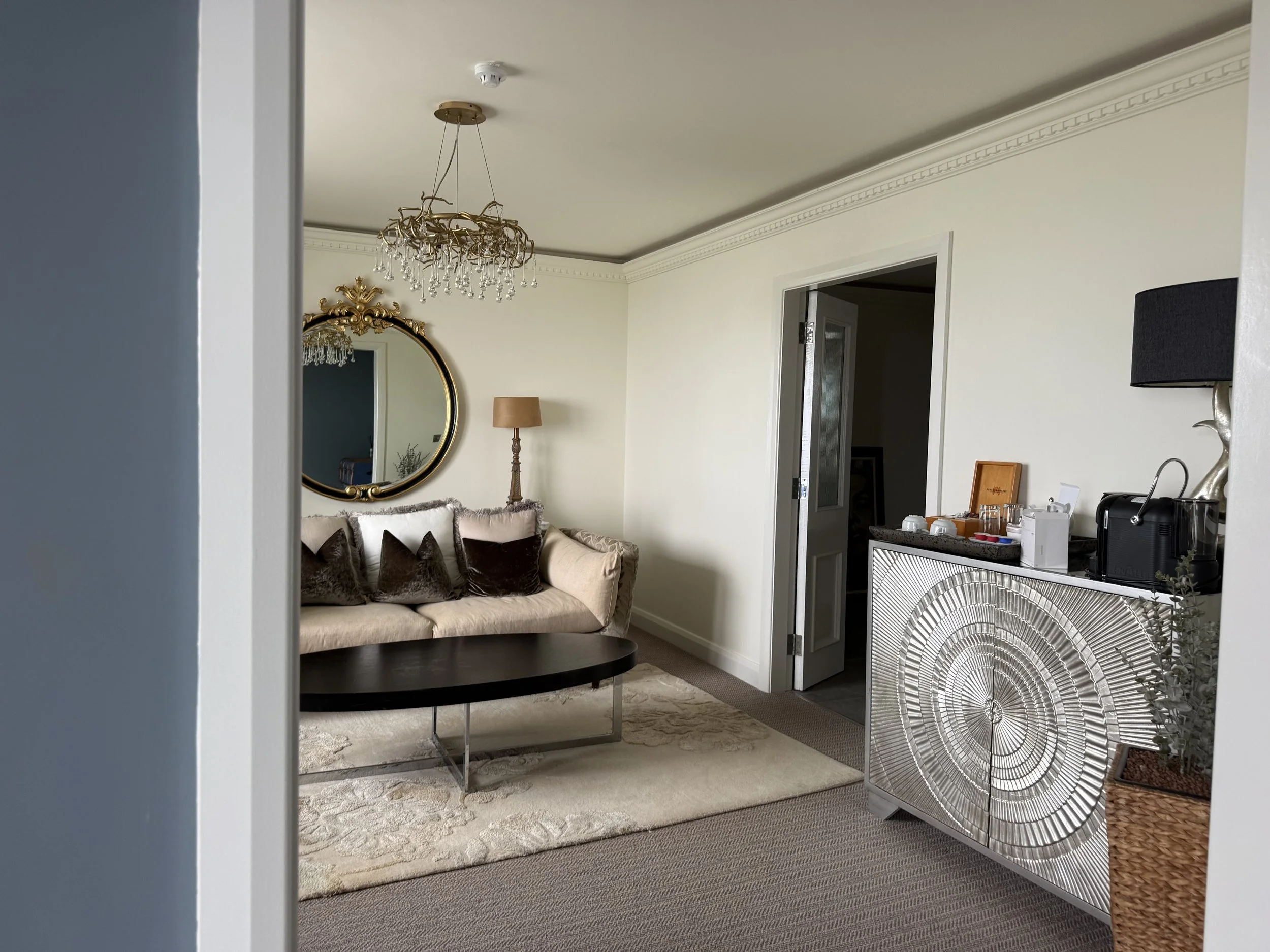
After an unforgettable day exploring Donegal, check into Blue Haven in the village of Kilcar.
Its location makes it the perfect base after your visit to Sliabh Liag, while the cosy rooms, stunning sea views, and warm Irish hospitality provide a welcome chance to relax before tomorrow's journey into Northern Ireland.
Click here to check availability on Booking.com.
Day Three Summary
Donegal is a place that completely exceeded my expectations. Between the mountain landscapes of Glenveagh, the turquoise waters of Silver Strand and the towering cliffs of Sliabh Liag, today takes you to some of the wildest and most breathtaking scenery on the island of Ireland.
Driving time: Approximately 3 hours (excluding stops)
Highlights: Glenveagh National Park & Castle, Portsalon Beach, Doe Castle, Dunfanaghy, Leo's Tavern, Silver Strand at Malin Beg and the unforgettable Sliabh Liag Boat Tour.
Overnight: Blue Haven, Kilcar.
Tomorrow: Cross into Northern Ireland to discover the Causeway Coastal Route, where dramatic castles, iconic landmarks and spectacular coastal scenery await.
Day Four: Explore the Iconic Causeway Coastal Route
Driving time: Approximately 3 hours (excluding stops)
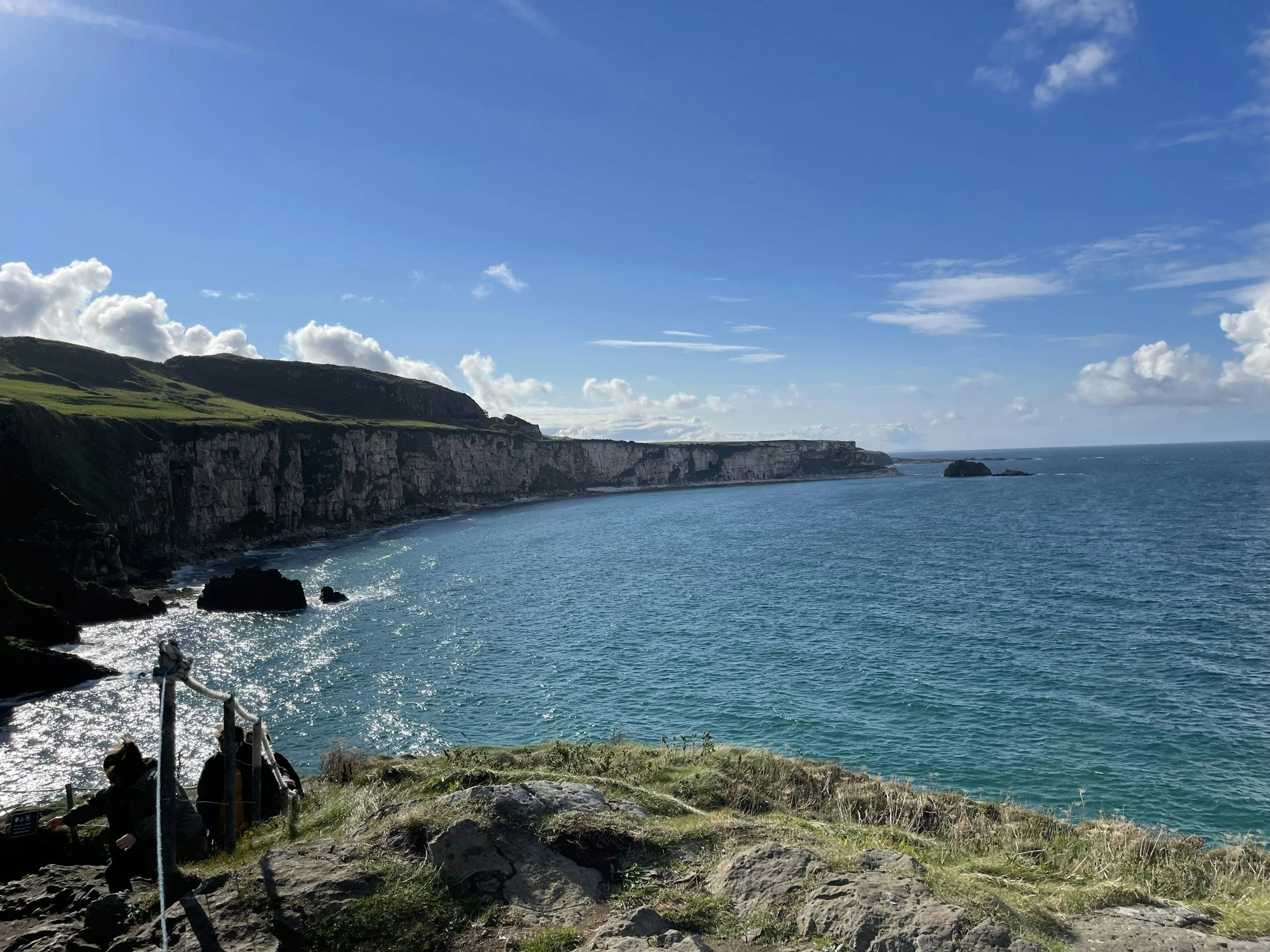
Your final day takes you across the border into Northern Ireland to explore one of the world's most scenic coastal drives. From world-famous landmarks to hidden waterfalls and dramatic cliff-top ruins, the Causeway Coastal Route is packed with unforgettable stops (and even more friendly locals!).
Day Three Overview
| Stop | Time to allow | Highlights |
|---|---|---|
| Derry Girls Experience | 45–60 mins | TV memorabilia & local culture |
| Dunluce Castle | 45 mins | Clifftop medieval ruins |
| Giant's Causeway | 2–3 hours | Famous basalt columns |
| Kinbane Castle | 45–60 mins | Coastal ruins & dramatic views |
| Dunseverick Falls | 15–20 mins | Hidden roadside waterfall |
| Glenariff Forest Park | 1.5–2 hours | Waterfall walk & woodland trails |
| The Gobbins | 2–3 hours | Cliff path & suspension bridges |
Stop 1: Derry Girls Experience

Drive from Blue Haven: Approximately 2 hours
Start your final day with a visit to the Derry Girls Experience, a must if you loved this show as much as I did.
Located in the heart of Derry/Londonderry, the exhibition celebrates one of Northern Ireland's most successful sitcoms through original costumes, props and behind-the-scenes stories. Even if you've only watched a few episodes, it's a fun introduction to the city's culture and humour.
Allow: 45–60 minutes
Tip: Spend a little time wandering the city walls and fuelling up with proper Irish brekkie afterwards if your schedule allows.
Stop 2: Dunluce Castle
Drive from Derry: Approximately 1 hour
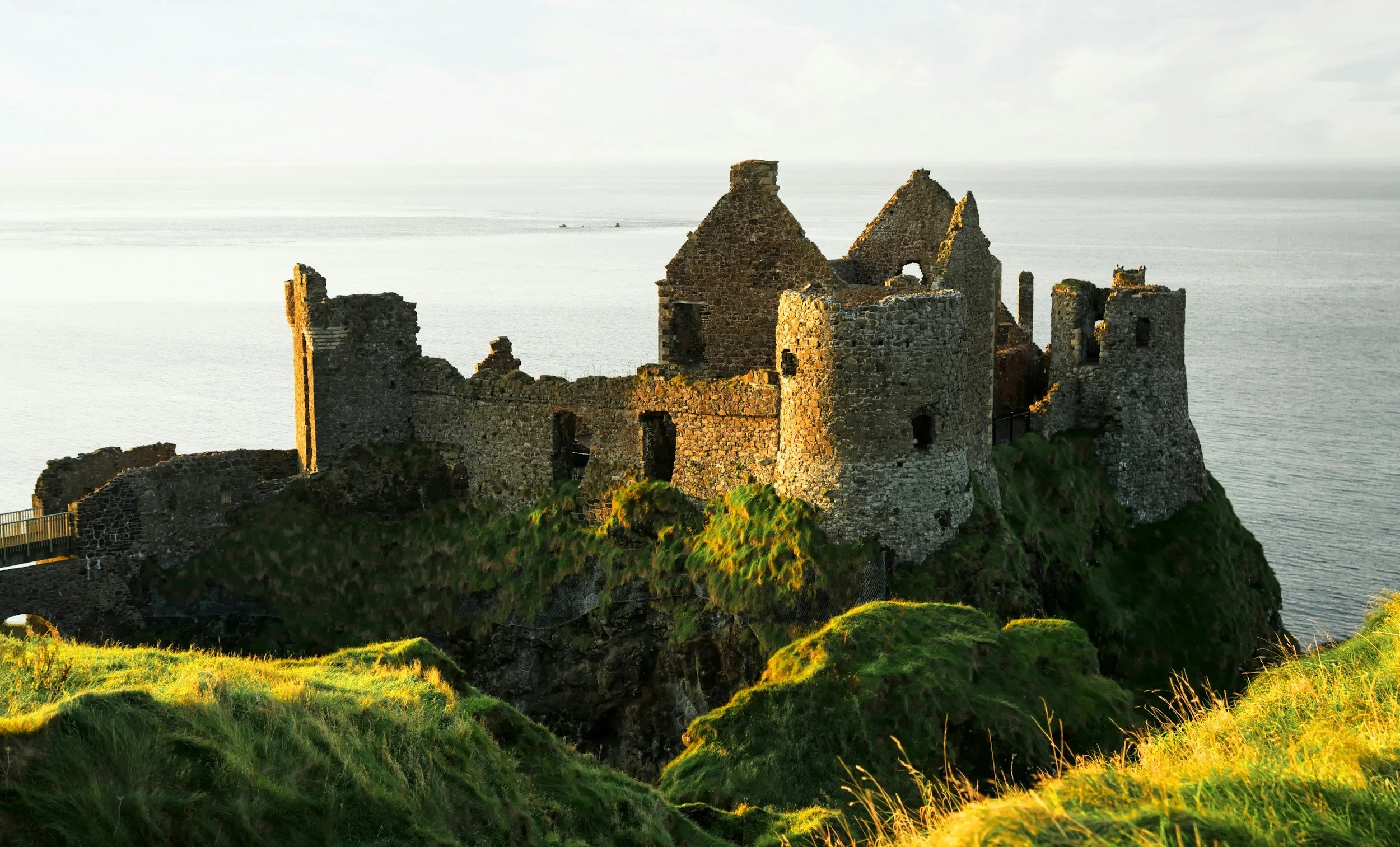
Perched dramatically on the edge of the cliffs, Dunluce Castle is one of the most photographed landmarks on the Causeway Coastal Route (and it didn’t disappoint).
Allow: 45 minutes
Tip: The viewpoint before the visitor entrance offers one of the best photo opportunities.
Stop 3: Giant's Causeway
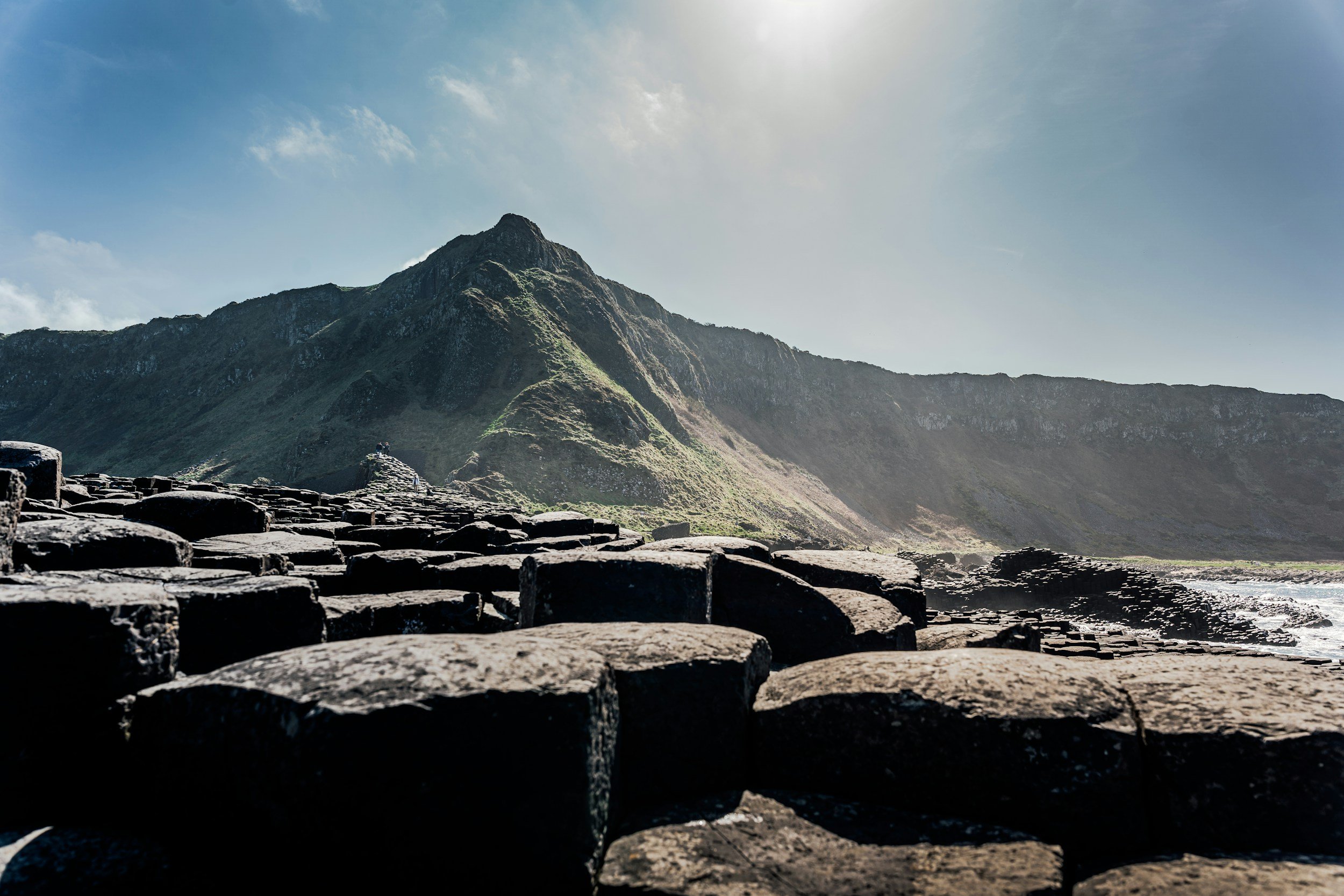
Drive from Dunluce Castle: Approximately 10 minutes
No visit to Northern Ireland would be complete without seeing the Giant's Causeway.
Made up of around 40,000 interlocking basalt columns formed by ancient volcanic activity, it's Northern Ireland's only UNESCO World Heritage Site. Whether you're fascinated by the geology or prefer the legend of the giant Finn McCool, it's an incredible place to explore.
Take your time wandering along the coastline, climbing across the famous stones and enjoying the spectacular sea views.
Allow: 2–3 hours
Tip: The Giant’s Causeway is one of the most popular spots on the Causeway Coastal Route: arrive early or later in the afternoon if you can to avoid the busiest crowds.
Stop 4: Carrick-a-Rede Rope Bridge
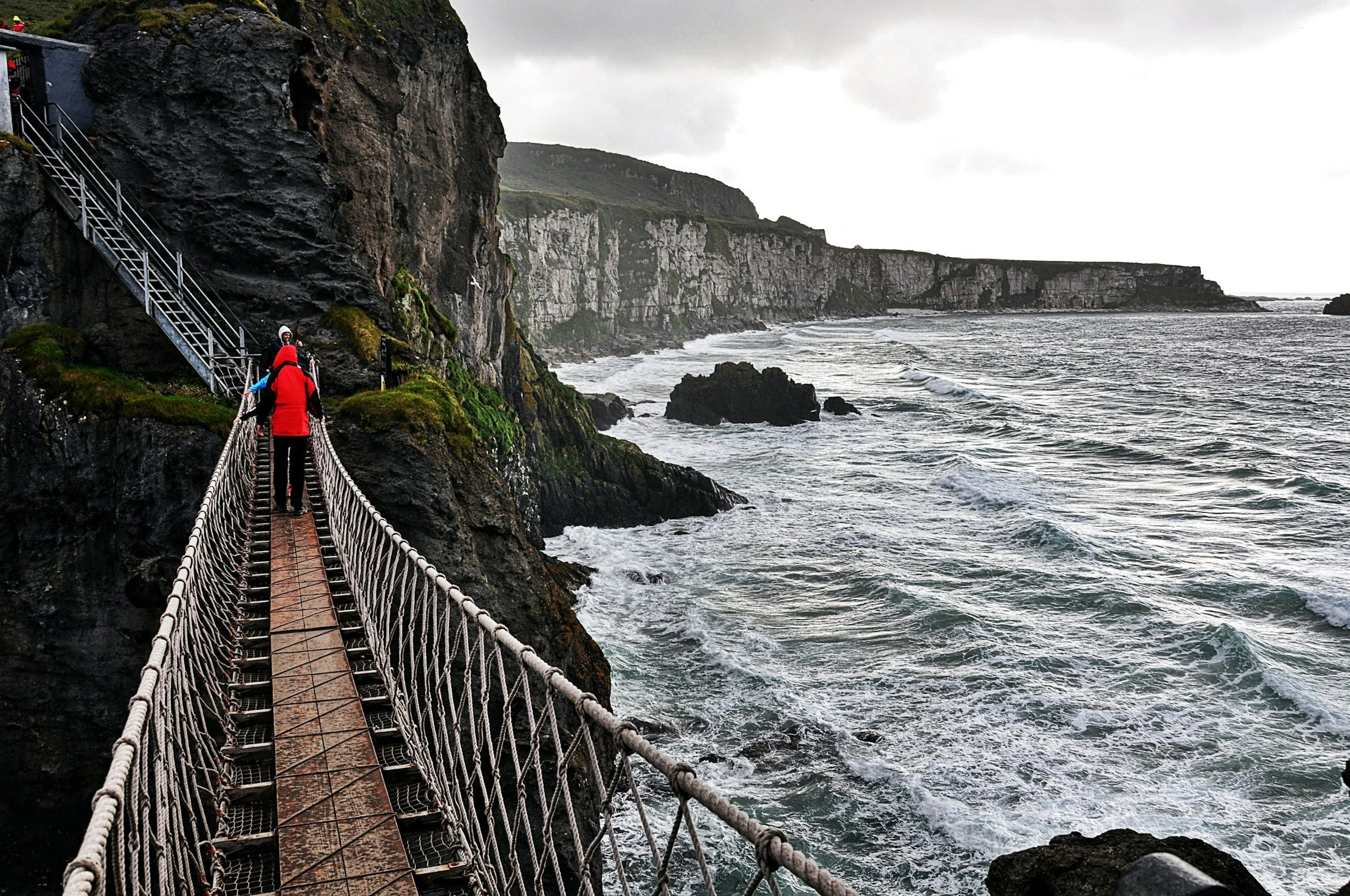
Drive from Giant's Causeway: Approximately 9 minutes
One of Northern Ireland's most famous attractions, Carrick-a-Rede Rope Bridge has been connecting the mainland to the tiny island of Carrick-a-Rede for more than 250 years.
Originally erected by salmon fishermen, the swaying rope bridge now offers visitors the chance to cross high above the crashing waves below, with incredible views along the Causeway Coast. Even if you decide not to cross, the coastal walk to the bridge is worth the visit alone, passing dramatic cliffs, sea stacks and turquoise coves along the way.
These popular spots can sometimes be overhyped, but in my opinion, Carrick-a-Rede totally lives up to its popularity. It was one of my favourite stops of the entire trip, and definitely one not to miss.
Allow: 1–1.5 hours
Tip: Book your crossing in advance during peak season, as timed entry slots can sell out quickly.
Stop 5: Dunseverick Falls
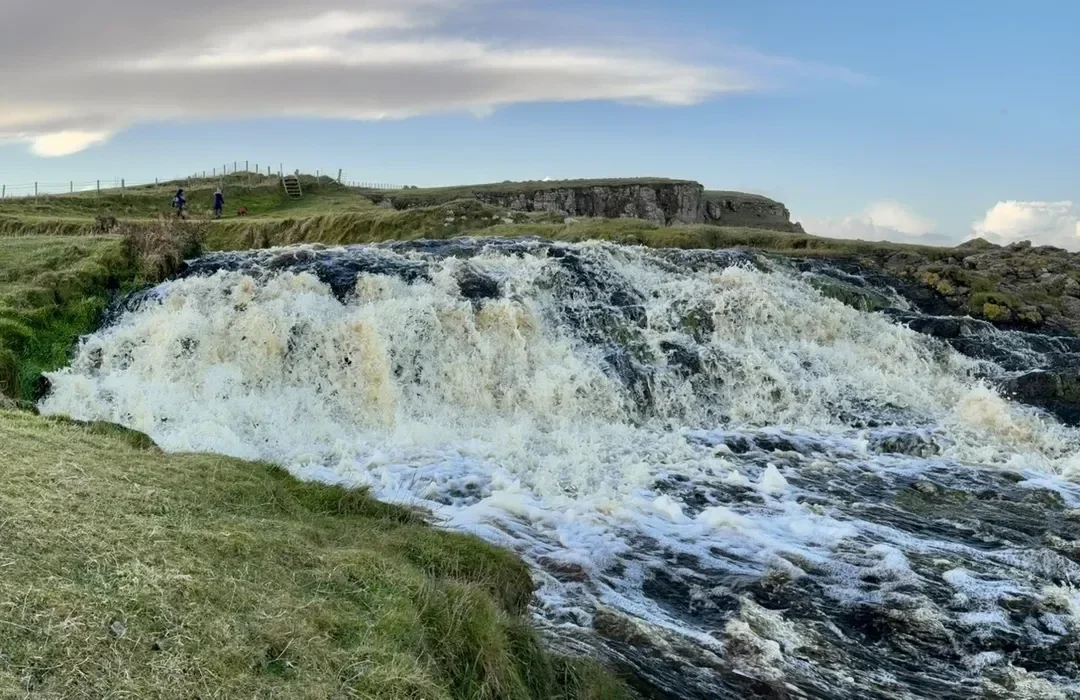
Drive from Carrick-a-Rede Approximately 20 minutes
This tiny roadside waterfall is easy to miss, but it's worth pulling over for a quick stop.
Flowing directly onto the rocky shoreline, Dunseverick Falls is a peaceful contrast to some of the busier attractions nearby and only takes a few minutes to visit.
Allow: 15–20 minutes
Stop 6: Glenariff Forest Park
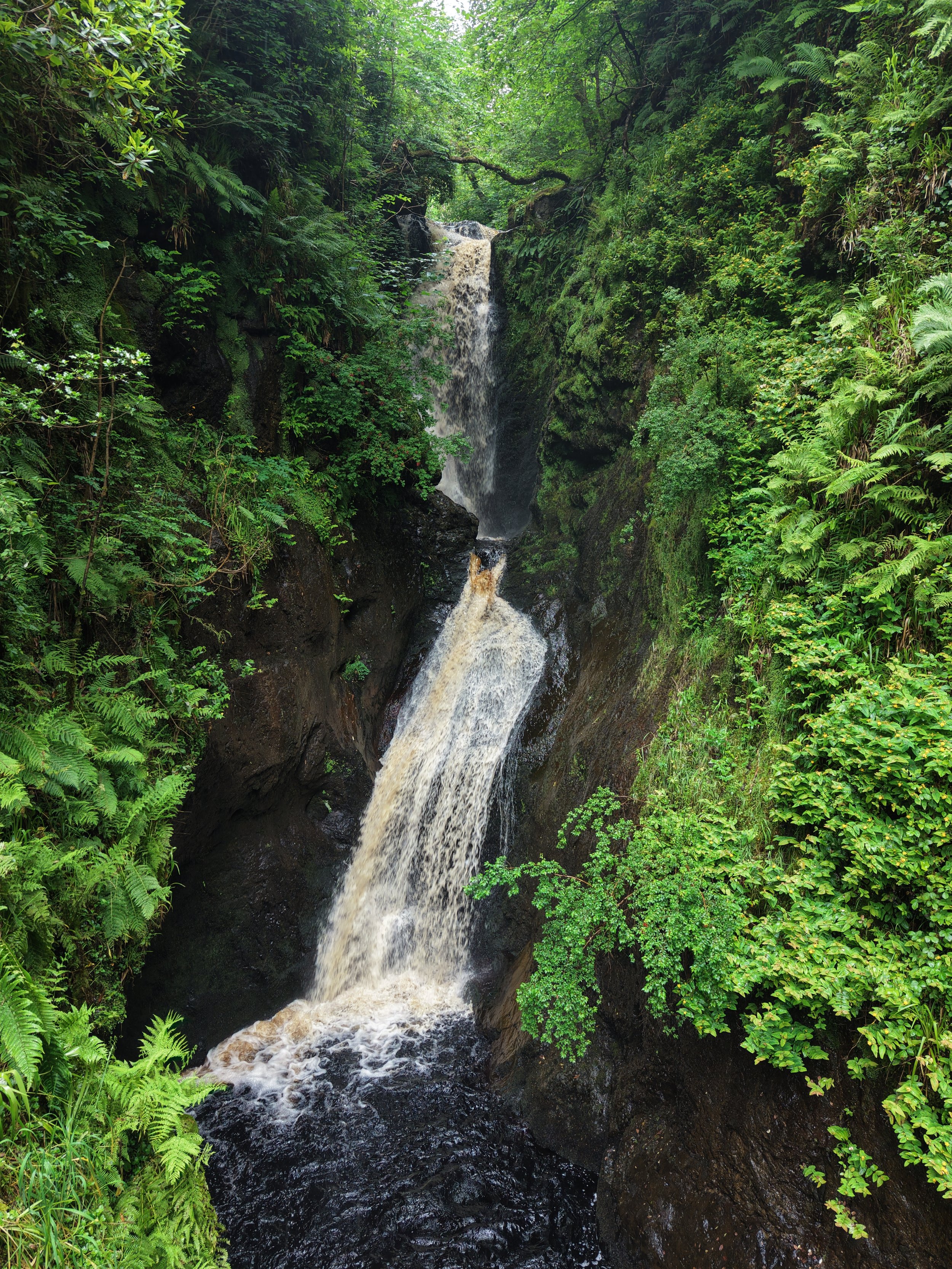
Drive from Dunseverick Falls: Approximately 1 hour
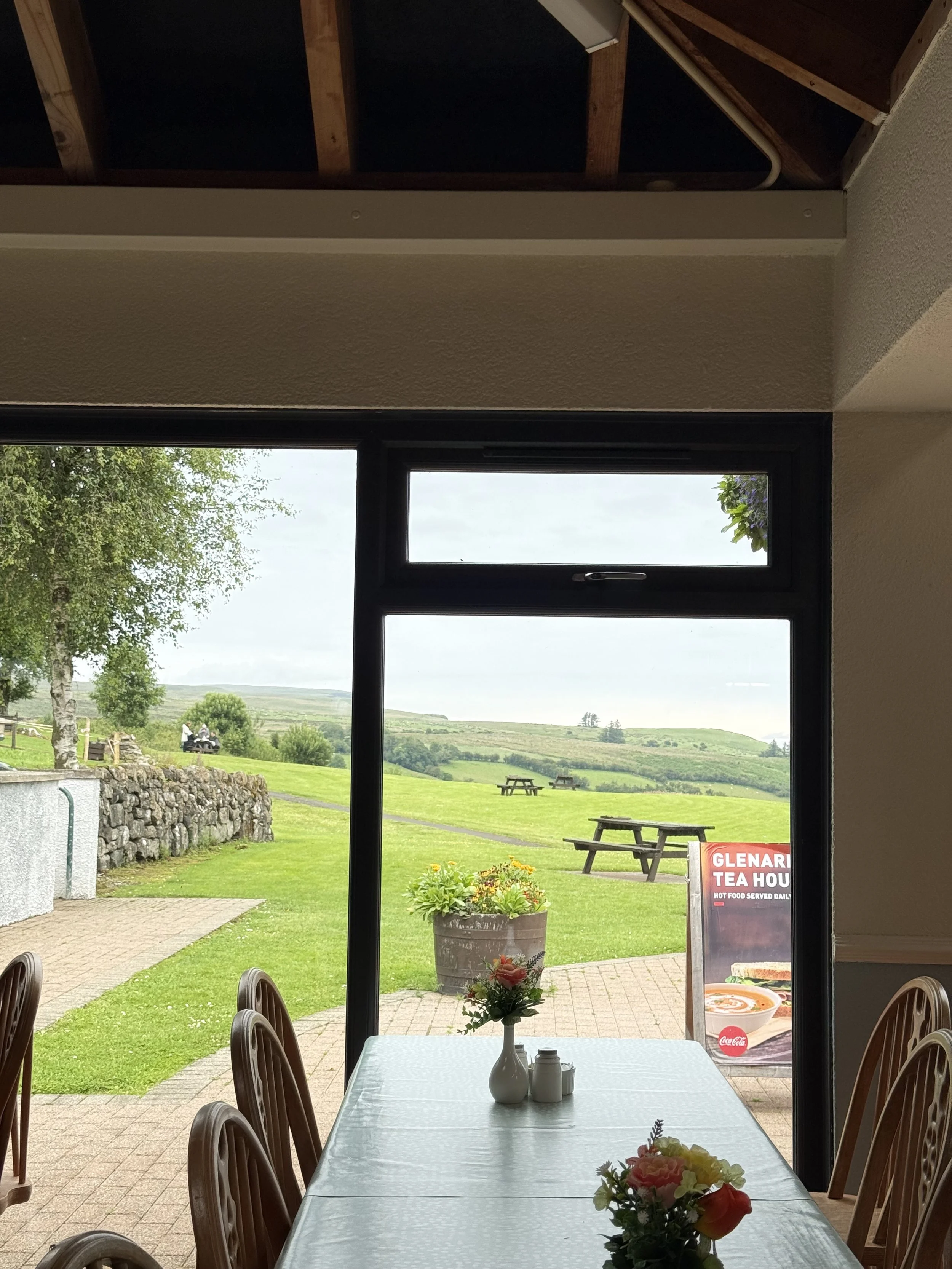
Known as the "Queen of the Glens", Glenariff Forest Park is home to one of Northern Ireland's most beautiful woodland walks. I headed off on the well-marked Waterfall Walk which takes you through lush forest, across bridges and past a series of cascading waterfalls (with a cosy woodland pub mid-route!). This place completely exceeded my expectations and was a wonderful leg-stretch pitstop that I wouldn’t miss.
Allow: 1.5–2 hours
Stop 7: The Gobbins
Drive from Glenariff Forest Park: Approximately 50 minutes
Finish your road trip with one final adventure at The Gobbins.
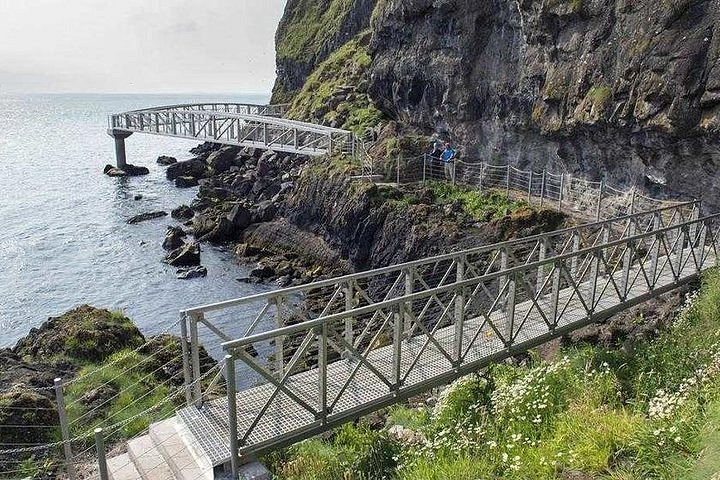
This spectacular guided coastal experience takes you along a dramatic cliff path, across suspension bridges and through tunnels carved into the cliffs, offering incredible views across the Irish Sea and plenty of opportunities to spot seabirds along the way.
It's a memorable way to end four unforgettable days exploring the island of Ireland.
Allow: 2–3 hours
Tip: Tours must be booked in advance, so reserve your tickets before travelling.
Day Four Summary
Driving time: Approximately 3 hours (excluding stops)
Highlights: The Giant's Causeway, Dunluce Castle, Kinbane Castle, Glenariff Forest Park and The Gobbins.
Trip complete: Four unforgettable days exploring some of the very best of Ireland and Northern Ireland.
Final thoughts
Four days might not sound like long enough to explore Ireland (and I definitely wish I had longer — I don’t think any amount of time in this beautiful country is ever long enough!). But this itinerary shows just how much you can experience in a long weekend (and at a slow pace, too). From the wild coastline of Sligo and Donegal to the iconic landmarks of the Causeway Coastal Route, every day felt completely different.
What surprised me most was just how uncrowded many of these places were. While attractions like the Giant's Causeway deserve their reputation, some of my favourite moments came from quieter stops like Gleniff Horseshoe, Silver Strand and the Sliabh Liag Boat Tour. But my absolute favourite moments are always: the people. Make sure you factor time in your itinerary to chat to friendly locals, hear new stories, and come away with new friends (I am still in touch with the people I meet every time I visit Ireland, so I hope you make some lifelong friends, too!).
If you're looking for an adventure packed with incredible scenery, unforgettable experiences and some of the friendliest people you'll ever meet, I honestly couldn't recommend this route enough.
I hope you find this itinerary useful for your next Irish adventure! If you have any questions at all, you can reach me on socials at @getlostgab.
Enjoy!
Gabs x